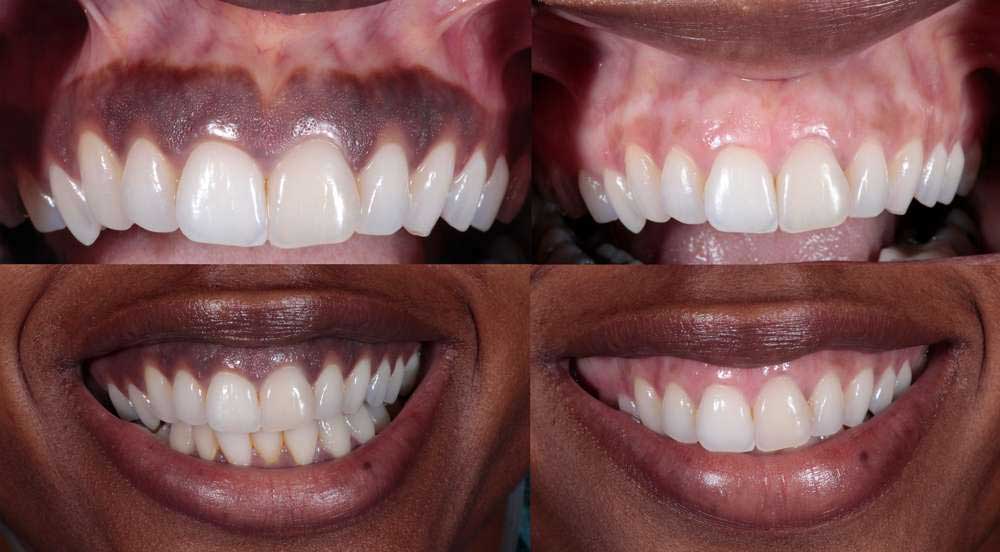
What White Gums Could Mean and How to Take Action

What White Gums Could Mean and How to Take Action

White Gums: Understanding the Causes, Implications, and Treatment Options

The presence of white gums, medically termed leukoplakia (when the white patch is not easily scraped off) or simply white patches on the gums (when easily scraped off), can signal a range of oral health issues, from relatively benign conditions to more serious underlying diseases. Understanding the potential causes, recognizing the symptoms, and seeking appropriate medical attention are crucial steps in ensuring proper diagnosis and effective treatment. This article provides a comprehensive overview of white gums, outlining potential causes, associated risks, diagnostic procedures, and available treatment options.

Potential Causes of White Gums

The appearance of white patches or discoloration on the gums can stem from various factors, ranging from simple irritations to more serious underlying medical conditions. Accurate diagnosis is paramount, as treatment strategies vary significantly depending on the underlying cause.

Oral Hygiene and Irritants

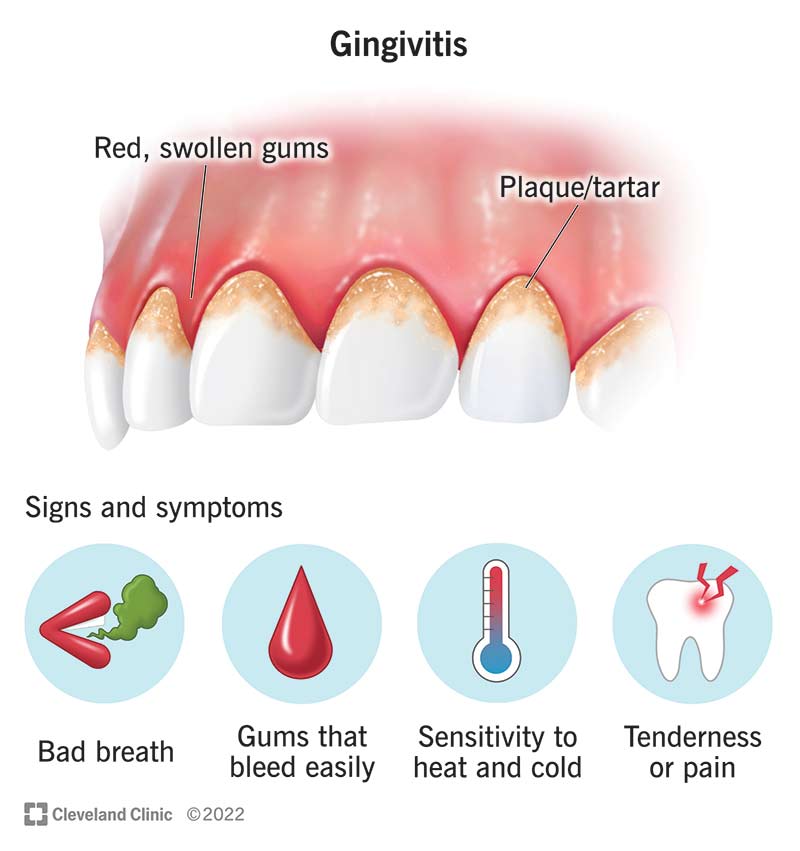
Poor oral hygiene is a common culprit. The accumulation of plaque and tartar can irritate the gum tissues, leading to inflammation (gingivitis) and potentially causing white patches. These patches are often accompanied by redness, swelling, and bleeding gums. Similarly, the use of harsh mouthwashes, abrasive toothpastes, or ill-fitting dentures can cause irritation and lead to the development of white patches. Improper brushing techniques, excessive scrubbing, and the use of hard-bristled toothbrushes can also contribute to this problem.

Fungal Infections

Oral candidiasis, commonly known as thrush, is a fungal infection caused by an overgrowth of Candida albicans, a yeast normally present in the mouth. While thrush can manifest in various ways, including creamy white patches, it frequently affects the gums, causing them to appear white and often exhibiting a cottage cheese-like texture. Individuals with weakened immune systems, such as those with HIV/AIDS, diabetes, or undergoing chemotherapy, are at a higher risk of developing oral candidiasis.

Lichen Planus

Lichen planus is a chronic inflammatory condition that can affect the skin and mucous membranes, including the gums. It presents as lacy white patches or streaks on the gums, sometimes accompanied by ulcerations and burning sensations. The exact cause of lichen planus remains unknown, but it's believed to involve an autoimmune response.

Leukoplakia

Leukoplakia is characterized by white patches or plaques on the mucous membranes that cannot be easily scraped off. While some forms of leukoplakia are benign, others can be precancerous and potentially progress to oral cancer. Risk factors for leukoplakia include tobacco use, excessive alcohol consumption, and chronic irritation from ill-fitting dentures. Regular dental checkups and prompt attention to any persistent white patches are crucial for early detection and intervention.

Oral Cancer

In more serious cases, white patches on the gums can be an early sign of oral cancer. While not all white patches indicate cancer, persistent, unexplained white lesions warrant immediate medical attention. Risk factors for oral cancer include tobacco use (smoking and chewing tobacco), excessive alcohol consumption, exposure to the human papillomavirus (HPV), and a family history of oral cancer. Early detection through regular dental examinations and prompt treatment are vital in improving prognosis.

Diagnostic Procedures

Diagnosing the underlying cause of white gums requires a thorough clinical examination by a dentist or oral surgeon. The following procedures may be employed:

  • Visual Inspection: The dentist will visually examine the gums, noting the appearance, texture, and location of the white patches.
  • Medical History Review: A comprehensive medical history, including information on medications, lifestyle habits (tobacco and alcohol use), and overall health, will be obtained.
  • Scraping Test: The dentist may attempt to scrape off the white patch. If it's easily removed, it's less likely to be a serious condition. If it's firmly attached, further investigation may be necessary.
  • Biopsy: In cases where the cause remains unclear or if there's a suspicion of leukoplakia or oral cancer, a biopsy may be performed. A small tissue sample is taken and sent to a laboratory for microscopic examination.
  • Blood Tests: Blood tests may be ordered to assess overall health and rule out underlying medical conditions.

Treatment Options

Treatment for white gums depends entirely on the underlying cause. Effective management necessitates accurate diagnosis.

Addressing Oral Hygiene Issues

For white patches resulting from poor oral hygiene, improved brushing and flossing techniques, along with the use of a fluoride toothpaste, are often sufficient to resolve the issue. The dentist might also recommend a therapeutic mouthwash to help reduce inflammation and bacterial load.

Treating Fungal Infections

Oral thrush is typically treated with antifungal medications, either in the form of topical creams or oral tablets. The duration of treatment depends on the severity of the infection.

Managing Lichen Planus

Lichen planus treatment focuses on managing symptoms and preventing complications. This may involve topical corticosteroids, antihistamines, or other medications to reduce inflammation and alleviate discomfort. Regular monitoring is essential.

Treating Leukoplakia

Treatment for leukoplakia depends on whether it's benign or precancerous. Benign leukoplakia may require no specific treatment beyond regular monitoring. Precancerous leukoplakia may require surgical removal of the affected tissue or other interventions such as laser therapy.

Oral Cancer Treatment

Treatment for oral cancer depends on the stage and extent of the cancer. Options may include surgery, radiation therapy, chemotherapy, or a combination of these modalities. Early detection significantly improves the chances of successful treatment and recovery.

Preventive Measures

Maintaining good oral hygiene is crucial in preventing many causes of white gums. This includes:

  • Brushing teeth twice daily with fluoride toothpaste.
  • Flossing daily to remove plaque and food particles between teeth.
  • Using a soft-bristled toothbrush and gentle brushing techniques.
  • Regular dental checkups and professional cleanings.
  • Limiting alcohol consumption and avoiding tobacco use.
  • Maintaining a healthy immune system.

Disclaimer: This article is for informational purposes only and does not constitute medical advice. If you experience white gums or any other oral health concerns, consult a dentist or other qualified healthcare professional for proper diagnosis and treatment. Early detection and intervention are crucial for managing oral health issues effectively.
Share:

Stop Gums from Bleeding and Enjoy Fresh Breath with Natural Care

Stop Gums from Bleeding and Enjoy Fresh Breath with Natural Care

Stop Gums from Bleeding and Enjoy Fresh Breath with Natural Care

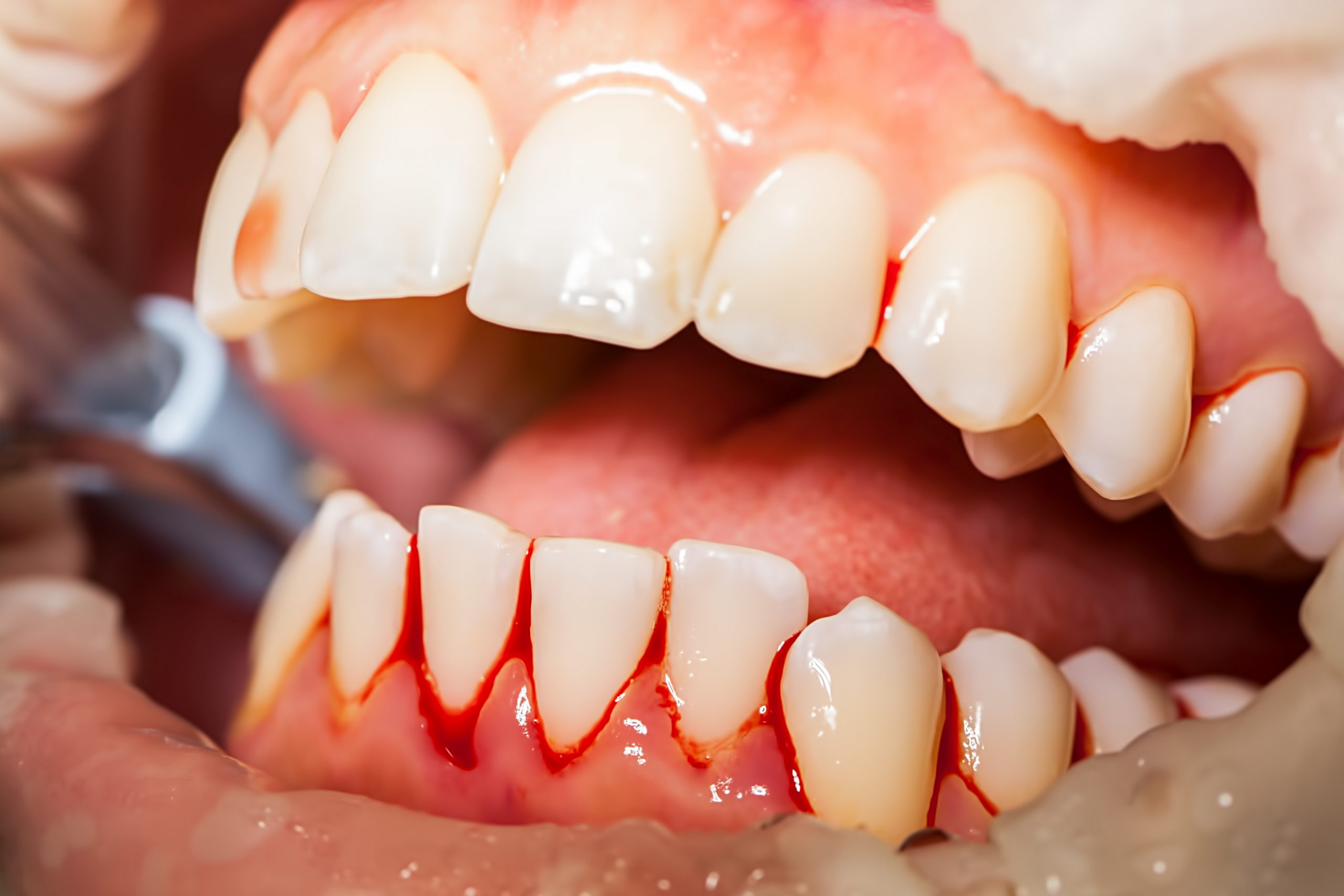
Bleeding gums, a prevalent oral health concern, often signal underlying gum disease (gingivitis) or more serious periodontal issues. While professional dental care is crucial for comprehensive oral health management, incorporating natural remedies and preventative measures can significantly contribute to reducing bleeding gums and promoting fresh breath. This comprehensive guide explores natural approaches to address this common problem, emphasizing the importance of a holistic approach to oral hygiene.

Understanding the Root Causes of Bleeding Gums

Before delving into natural solutions, understanding the underlying causes of bleeding gums is essential. While occasional bleeding might result from aggressive brushing or flossing, persistent bleeding points to a more significant problem. The most common culprit is gingivitis, an inflammatory condition affecting the gums. This inflammation is primarily caused by bacterial plaque buildup along the gum line. Poor oral hygiene, neglecting regular brushing and flossing, allows plaque to accumulate, leading to irritation and inflammation of the gum tissues.

Factors Contributing to Gum Inflammation and Bleeding:

  • Insufficient Oral Hygiene: Inadequate brushing and flossing allows bacterial plaque to accumulate, leading to inflammation.
  • Hormonal Fluctuations: Hormonal changes, particularly during puberty, pregnancy, and menopause, can increase gum sensitivity and bleeding.
  • Nutritional Deficiencies: Deficiencies in vitamins like vitamin C and K, as well as certain minerals, can weaken gum tissues, making them more prone to bleeding.
  • Medications: Certain medications, such as blood thinners, can increase the risk of bleeding gums.
  • Smoking: Smoking impairs blood circulation in the gums, hindering healing and increasing susceptibility to infection.
  • Systemic Diseases: Conditions like diabetes can negatively impact gum health, leading to increased bleeding.
  • Genetics: A family history of gum disease can predispose individuals to similar issues.

Addressing these underlying factors is paramount in preventing and managing bleeding gums. A proactive approach that combines professional dental care with natural remedies offers a comprehensive strategy for optimal oral health.

Natural Remedies for Bleeding Gums and Fresh Breath

Numerous natural remedies can effectively combat bleeding gums and promote fresh breath. These remedies work by reducing inflammation, strengthening gum tissues, and inhibiting bacterial growth.

Herbal Remedies:

  • Aloe Vera: Possessing anti-inflammatory and antibacterial properties, aloe vera gel can soothe inflamed gums and reduce bleeding. Applying a small amount of aloe vera gel directly to the gums can provide relief.
  • Tea Tree Oil: Known for its potent antiseptic properties, tea tree oil can effectively combat oral bacteria. However, it should be diluted with a carrier oil (like coconut oil) before application to avoid irritation.
  • Sage: Sage possesses astringent and antiseptic properties, making it useful in reducing gum inflammation and promoting healing. Rinsing the mouth with sage tea can be beneficial.
  • Myrrh: Myrrh has been traditionally used to treat gum disease due to its anti-inflammatory and antibacterial properties. It's often found in mouthwashes and oral care products.

Dietary Modifications and Nutritional Support:

A balanced diet rich in essential vitamins and minerals plays a crucial role in maintaining healthy gums. Vitamin C is vital for collagen production, essential for healthy gum tissue. Vitamin K aids in blood clotting, reducing bleeding. Calcium and phosphorus strengthen teeth and bones, supporting overall oral health. Incorporating foods rich in these nutrients, such as citrus fruits, leafy green vegetables, and dairy products, is crucial. Furthermore, a diet low in refined sugars can help prevent bacterial growth.

Oral Hygiene Practices:

Maintaining meticulous oral hygiene is fundamental to preventing and managing bleeding gums. This includes:

  • Brushing: Gentle brushing twice daily with a soft-bristled toothbrush is crucial. Avoid aggressive brushing, which can damage gum tissues.
  • Flossing: Daily flossing removes plaque and food particles from between teeth, where brushing cannot reach. Use gentle, careful motions to avoid injuring gums.
  • Oil Pulling: This ancient Ayurvedic technique involves swishing a tablespoon of oil (usually coconut or sesame) in the mouth for 15-20 minutes. It is believed to help reduce plaque and improve oral health, although scientific evidence is still emerging.
  • Tongue Scraping: Regular tongue scraping removes bacteria and food particles from the tongue, promoting fresher breath.

The Importance of Professional Dental Care

While natural remedies can play a supportive role, they should not replace regular professional dental care. Regular checkups and cleanings are vital for early detection and treatment of gum disease. A dentist can perform a thorough examination, identify any underlying issues, and provide appropriate treatment, including professional cleaning to remove plaque and tartar buildup.

When to Seek Professional Help:

Seek immediate professional help if you experience:

  • Persistent bleeding gums: Bleeding that doesn't subside after a few days of home care.
  • Swollen or red gums: Signs of significant inflammation.
  • Receding gums: Gums pulling away from the teeth.
  • Loose teeth: A sign of advanced gum disease.
  • Bad breath (halitosis): Persistent bad breath despite good oral hygiene.

Maintaining Long-Term Oral Health

Preventing bleeding gums and maintaining fresh breath requires a long-term commitment to oral hygiene and a healthy lifestyle. This involves combining effective oral hygiene practices, incorporating natural remedies where appropriate, and maintaining regular visits to the dentist. By adopting a holistic approach, individuals can significantly reduce their risk of gum disease and enjoy a lifetime of healthy smiles and fresh breath. Remember that early intervention is key; addressing gum problems promptly prevents the progression to more severe conditions and the associated discomfort and potential health complications.

Share:

How to Use Ginger for Healing Infected Gums

How to Use Ginger for Healing Infected Gums

Conquering Infected Gums with the Power of Ginger

Dealing with infected gums, or gingivitis, is a painful and potentially serious issue. While professional dental care is crucial, many are turning to natural remedies to complement their treatment and alleviate discomfort. Among these natural allies stands ginger, a potent root known for its anti-inflammatory and antibacterial properties. This article explores how you can harness the healing power of ginger to combat infected gums, providing you with safe and effective methods to incorporate into your oral hygiene routine.

Understanding the Benefits of Ginger for Gum Health

Ginger's remarkable efficacy in combating gum infections stems from its rich concentration of bioactive compounds. Gingerol, the primary active component, acts as a potent anti-inflammatory agent, effectively reducing swelling and redness associated with infected gums. Furthermore, ginger possesses significant antibacterial properties, targeting the harmful bacteria responsible for the infection and preventing their proliferation. Studies have shown that ginger extracts effectively inhibit the growth of various bacterial strains commonly linked to gingivitis, offering a natural approach to fighting infection.

Practical Ways to Use Ginger for Infected Gums

There are several ways to leverage ginger's healing properties for your gum health. Remember, these methods are complementary to professional dental care and should not replace regular brushing, flossing, and dental checkups. Always consult your dentist for diagnosis and treatment of gum disease.

Ginger Rinse

A simple and effective method involves preparing a ginger rinse. Begin by boiling a cup of water and adding a tablespoon of freshly grated ginger. Allow the mixture to steep for about 10-15 minutes, allowing the ginger's potent compounds to infuse into the water. Once cooled to a comfortable temperature, strain the mixture and use it as a mouth rinse. Swirl the liquid around your mouth, focusing on the affected areas, for at least 30 seconds before spitting it out. Repeat this process twice daily for optimal results. Remember to follow this with a regular mouthwash if desired.

Ginger Paste

For more targeted treatment, you can create a ginger paste. Grate a small piece of fresh ginger and mix it with a pinch of turmeric powder (another potent anti-inflammatory). This combination creates a powerful paste that can be directly applied to the affected gums. Gently massage the paste onto your gums for a few minutes, ensuring it reaches the inflamed areas. Leave the paste on for 5-10 minutes before rinsing your mouth thoroughly with warm water. Use this method once or twice a day.

Ginger Tea

While not directly applied to the gums, drinking ginger tea can offer supportive benefits. The anti-inflammatory properties of ginger, when ingested, can contribute to overall body-wide inflammation reduction, potentially easing symptoms associated with gum infection. Simply steep a ginger tea bag in hot water for a few minutes and drink the tea warm throughout the day.

Important Considerations

While ginger offers numerous benefits, it's crucial to use it responsibly. Always start with small amounts to assess your tolerance, as some individuals may experience mild irritation or sensitivity. If you experience any adverse reactions, discontinue use and consult your dentist or doctor immediately. Ginger should be considered a complementary therapy, not a replacement for professional dental care. Regular dental checkups and professional cleaning are essential for maintaining optimal gum health and addressing any underlying issues.

By incorporating these simple ginger remedies into your oral hygiene routine, you can effectively support the healing of your infected gums and contribute to a healthier, happier smile. Remember to always consult your dentist for proper diagnosis and treatment of any oral health concerns.

Share:

Purple Carrots for Stronger Teeth and Healthier Gums

Purple Carrots for Stronger Teeth and Healthier Gums

Purple Carrots: Nature's Toothbrush?

Forget the brightly colored tubes of toothpaste lining your bathroom shelves. A vibrant, naturally occurring alternative might be hiding in your crisper drawer: the purple carrot. These striking root vegetables, boasting a hue far beyond their orange cousins, offer a surprising array of benefits, particularly for maintaining strong teeth and healthy gums. While not a replacement for proper dental hygiene, incorporating purple carrots into your diet can provide a potent boost to your oral health.

The Power of Anthocyanins

The secret to the purple carrot's dental prowess lies in its high concentration of anthocyanins. These potent plant pigments, responsible for the carrot's deep purple color, are also powerful antioxidants. Antioxidants combat free radicals, unstable molecules that damage cells and contribute to inflammation throughout the body, including in the gums. This anti-inflammatory action is crucial for preventing gum disease, a significant cause of tooth loss. Studies have consistently shown the positive impact of anthocyanins on reducing inflammation and promoting overall oral health.

Beyond Antioxidants: Other Benefits for Oral Health

While anthocyanins are the star players, purple carrots offer other benefits that support healthy teeth and gums. Their crunchy texture acts as a natural toothbrush, stimulating saliva production. Saliva is essential for neutralizing acids, washing away food particles, and remineralizing tooth enamel, thus reducing your risk of cavities. Furthermore, purple carrots are a good source of vitamin A, crucial for maintaining healthy gums and mucous membranes in the mouth. Vitamin A deficiencies can lead to dry mouth and increased susceptibility to infections.

Incorporating Purple Carrots into Your Routine

Adding purple carrots to your daily diet doesn't require a major overhaul. Here are a few easy ways to incorporate these powerful vegetables:

  • Snack on them raw: The crunch provides a satisfying texture and maximizes the fiber content.
  • Roast them: Roasting enhances their sweetness and makes them a delicious side dish.
  • Add them to smoothies: Their vibrant color and subtle earthy flavor complement many smoothie combinations.
  • Grate them into salads: A simple addition to add color, crunch, and nutritional value.
  • Puree them into soups: A healthy and tasty way to add nutrients to your meals.

Remember, while purple carrots offer impressive oral health benefits, they are not a substitute for regular brushing, flossing, and dental checkups. Think of them as a delicious and natural addition to your existing oral hygiene routine – a powerful ally in the fight for a healthy and radiant smile.

Share:

Using Clove Oil as an Effective Remedy for Tooth Pain and Infection

Using Clove Oil as an Effective Remedy for Tooth Pain and Infection

Clove Oil: A Traditional Remedy for Toothache and Infection

Toothache pain, often a precursor to or a symptom of oral infection, is a prevalent ailment impacting individuals across demographics. While modern dentistry offers sophisticated treatments, a growing interest in natural remedies has led to renewed examination of traditional approaches. Among these, clove oil stands out as a time-honored treatment for toothache and associated infections due to its potent antimicrobial and analgesic properties. This article will explore the efficacy of clove oil in addressing tooth pain and infection, examining its mechanism of action, applications, limitations, and safety considerations.

The Composition and Properties of Clove Oil

Clove oil, extracted from the dried flower buds of the Syzygium aromaticum tree, is a complex mixture of chemical compounds, primarily eugenol (70-90%). This phenolic compound is largely responsible for clove oil's characteristic aroma and therapeutic effects. Other significant components include eugenyl acetate, β-caryophyllene, and methyl salicylate, which contribute to the oil's multifaceted pharmacological profile. These compounds synergistically exert analgesic, antimicrobial, and anti-inflammatory actions, making clove oil a potential candidate for managing dental pain and infections.

Eugenol: The Primary Active Compound

Eugenol, the dominant constituent of clove oil, is a potent analgesic, meaning it possesses pain-relieving capabilities. It achieves this effect primarily through interaction with the sodium channels responsible for nerve impulse transmission, effectively inhibiting pain signals from the affected tooth. Moreover, eugenol exhibits significant antimicrobial activity, targeting a wide range of bacteria, including those commonly associated with dental caries (cavities) and periodontal disease, such as Streptococcus mutans and Porphyromonas gingivalis.

Synergistic Effects of Other Components

While eugenol is the primary active ingredient, other components of clove oil contribute to its overall effectiveness. Eugenyl acetate, for instance, enhances eugenol's antimicrobial properties. β-caryophyllene displays anti-inflammatory actions, potentially reducing swelling and discomfort associated with dental infections. Methyl salicylate, a known analgesic and anti-inflammatory agent, further contributes to the pain-relieving and anti-inflammatory effects of clove oil.

Mechanism of Action in Toothache and Infection

Clove oil's efficacy in treating toothache stems from its multifaceted mechanism of action. The application of clove oil to the affected tooth directly addresses the source of pain and infection. Eugenol's potent analgesic properties rapidly numb the area, providing immediate relief from pain. Simultaneously, the antimicrobial action of eugenol and other components targets the bacteria responsible for the infection, reducing inflammation and promoting healing.

Analgesic Effect

The analgesic effect of clove oil is rapid and localized. Eugenol directly interacts with nerve endings in the affected tooth, reducing pain perception by blocking the transmission of pain signals to the brain. This immediate pain relief makes clove oil a popular choice for temporary relief from severe toothache.

Antimicrobial Effect

Clove oil's antimicrobial activity is broad-spectrum, effectively inhibiting the growth of a wide array of bacteria. This is particularly crucial in managing dental infections, where various bacterial species can contribute to the problem. By eliminating or significantly reducing the bacterial population, clove oil helps to control the infection, preventing its progression and promoting healing.

Anti-inflammatory Effect

The anti-inflammatory effects of clove oil, contributed to by β-caryophyllene and methyl salicylate, play a crucial role in reducing swelling and discomfort associated with infected teeth. This reduction in inflammation alleviates pressure on the sensitive tooth, further contributing to pain relief.

Applications and Methods of Use

Clove oil can be applied directly to the affected tooth using various methods. A common approach involves diluting a small amount of clove oil (a few drops) in a carrier oil such as coconut oil or olive oil. This dilution helps to reduce the risk of irritation and ensures better application. A small cotton ball or swab can then be dipped into the diluted oil and applied directly to the aching tooth.

Alternatively, clove oil can be incorporated into a homemade mouthwash by adding a few drops to warm water and rinsing the mouth. This method can help to cleanse the area and provide temporary relief. It's crucial to avoid swallowing the oil.

Important Note: While clove oil offers temporary relief, it is not a substitute for professional dental care. It should be used only as a temporary measure to alleviate pain until professional help can be obtained.

Limitations and Safety Considerations

Despite its therapeutic potential, clove oil has certain limitations and safety concerns that must be considered. It is crucial to remember that clove oil is a potent substance and should be used cautiously. Excessive or prolonged application can lead to various adverse effects.

Potential Side Effects

Some individuals may experience allergic reactions to clove oil, manifesting as skin irritation, rash, or swelling. The oil should be tested on a small area of skin before widespread application. Ingesting clove oil can be toxic and should be strictly avoided. Pregnant and breastfeeding women should consult their healthcare provider before using clove oil. Individuals with certain medical conditions, such as bleeding disorders, should exercise caution.

  • Allergic reactions (skin irritation, rash, swelling)
  • Mouth irritation or burning sensation
  • Potential for interaction with other medications
  • Risk of toxicity if ingested
  • Not a Substitute for Professional Dental Care

    It is paramount to emphasize that clove oil should be considered a temporary measure for pain relief, not a cure for toothache or infection. Seeking professional dental care is crucial for proper diagnosis and treatment of underlying dental problems. Ignoring dental issues can lead to more severe complications, such as abscess formation or systemic infections. Clove oil should be used only until professional help can be sought.

    Conclusion

    Clove oil, with its rich history of use in traditional medicine, presents a potential option for temporary relief from toothache and the management of mild dental infections. Its analgesic, antimicrobial, and anti-inflammatory properties, primarily attributed to eugenol and other synergistic components, make it an effective agent in addressing these conditions. However, it's critical to use clove oil judiciously and responsibly, understanding its limitations and potential side effects. It is not a substitute for professional dental care, and prompt consultation with a dentist remains essential for appropriate diagnosis and treatment of any dental issue.

    Share:

    The Power of Probiotics in Supporting Your Mouth Microbiome

    The Power of Probiotics in Supporting Your Mouth Microbiome

    The Power of Probiotics in Supporting Your Mouth Microbiome

    Your mouth teems with life—a complex ecosystem of bacteria, fungi, and viruses collectively known as the oral microbiome. Maintaining a balanced oral microbiome is crucial for overall oral health, impacting everything from the pristine whiteness of your teeth to the prevention of serious conditions like gum disease and even impacting systemic health. While brushing and flossing remain cornerstones of oral hygiene, emerging research highlights the significant role probiotics can play in bolstering this delicate ecosystem and promoting a healthier, happier mouth.

    Understanding the Oral Microbiome and its Importance

    Think of your mouth as a bustling city. Beneficial bacteria work tirelessly to maintain order, while harmful bacteria lurk, ready to cause trouble. A healthy oral microbiome features a diverse community of beneficial bacteria that outnumber and suppress the growth of harmful species. These beneficial bacteria contribute to several key functions: they help break down food particles, preventing plaque buildup; they produce antimicrobial substances that combat harmful bacteria; and they even play a role in strengthening the enamel of your teeth. When this delicate balance is disrupted – perhaps due to poor oral hygiene, a weakened immune system, or the use of certain medications – harmful bacteria can proliferate, leading to a range of oral health problems.

    The Role of Probiotics in Oral Health

    Probiotics are live microorganisms, primarily bacteria and yeasts, that offer health benefits when consumed in adequate amounts. In the context of oral health, specific strains of probiotics have demonstrated the ability to actively improve the oral microbiome. They achieve this through several mechanisms: they compete with harmful bacteria for resources and space, effectively limiting their growth; they produce antimicrobial compounds that directly inhibit the growth of harmful bacteria; and they can even modulate the immune response, strengthening the body's natural defenses against oral infections. This multifaceted approach makes probiotics a promising adjuvant therapy for maintaining and improving oral health.

    Specific Probiotic Strains with Oral Benefits

    Not all probiotics are created equal. Research has pointed to several strains showing particular promise in improving oral health. These include:

    • Lactobacillus reuteri
    • Lactobacillus rhamnosus
    • Streptococcus salivarius K12
    • Weissella cibaria

    These strains have been shown to reduce plaque formation, gingivitis, and even halitosis in various clinical trials. It is important to note that the efficacy of a probiotic strain can vary depending on individual factors. Consulting with a dentist or healthcare professional before incorporating probiotics into your oral care routine is always recommended.

    Incorporating Probiotics into Your Oral Health Routine

    Adding probiotics to your oral health regimen can be straightforward. Many probiotic products are available in various forms, including lozenges, mouthwashes, and even chewing gums, offering a convenient way to deliver beneficial bacteria directly to the oral cavity. However, it's crucial to choose products that contain well-researched strains and are produced to high-quality standards. Remember that probiotics are a supplementary measure, not a replacement for proper oral hygiene practices like brushing, flossing, and regular dental checkups. The optimal approach involves combining the power of probiotics with established oral hygiene practices to achieve optimal oral health.

    Future Directions and Ongoing Research

    The field of probiotic research in oral health is rapidly evolving. Scientists continue to investigate new probiotic strains and delivery methods, exploring their potential to treat a wider range of oral conditions. Future research may focus on personalized probiotic approaches, tailoring probiotic therapies to individual oral microbiomes for maximized effectiveness. While more research is needed, the current evidence strongly suggests that probiotics represent a valuable addition to the arsenal of tools for maintaining a healthy and vibrant oral microbiome.

    Share:

    Natural Solutions for Gum Health: What You Need to Know

    Natural Solutions for Gum Health: What You Need to Know

    Natural Solutions for Gum Health: What You Need to Know

    Gum disease, or periodontal disease, affects millions, silently chipping away at your oral health and potentially impacting your overall well-being. While traditional dentistry offers effective treatments, many are exploring natural approaches to support gum health and prevent problems before they escalate. This article explores natural solutions, empowering you to take proactive steps toward a healthier, happier smile.

    Understanding the Foundation: Oral Hygiene

    Before diving into natural remedies, remember that impeccable oral hygiene forms the cornerstone of gum health. Brushing twice daily for two minutes each time, using a fluoride toothpaste, is non-negotiable. Focus on gentle, circular motions, ensuring you reach all surfaces of your teeth. Flossing at least once a day dislodges food particles and plaque trapped between teeth, areas your toothbrush can't reach. Neglecting this vital step significantly increases your risk of gum disease. Consider using an interdental brush to better clean between teeth, especially if you have wider gaps.

    Harnessing Nature's Power: Natural Remedies

    The Anti-Inflammatory Magic of Herbs

    Certain herbs possess potent anti-inflammatory properties that can soothe irritated gums and combat the bacteria responsible for gum disease. Sage, for instance, contains compounds that exhibit antimicrobial and anti-inflammatory effects. You can use sage mouthwash by steeping a handful of fresh sage leaves in hot water, letting it cool, and then gently swishing it around your mouth. Similarly, chamomile, known for its calming properties, can reduce inflammation and promote healing. A chamomile tea rinse offers a gentle yet effective way to soothe irritated gums. Always consult your dentist or doctor before starting any herbal treatment, especially if you have underlying health conditions or are taking medication.

    The Power of Essential Oils

    Essential oils, carefully diluted, offer another avenue for natural gum care. Tea tree oil, renowned for its antimicrobial properties, can effectively target harmful bacteria associated with gum disease. However, it's crucial to dilute tea tree oil significantly with a carrier oil like coconut oil before using it as a mouth rinse; undiluted tea tree oil can be irritating and even harmful. Similarly, clove oil possesses antiseptic and analgesic properties, offering temporary relief from gum pain and inflammation. Again, remember to always dilute essential oils before oral use and consult a healthcare professional before employing them.

    The Nutritional Approach: A Diet for Healthy Gums

    Your diet plays a significant role in your overall health, including gum health. A diet rich in vitamin C strengthens gum tissue and promotes healing. Citrus fruits, berries, and leafy green vegetables are excellent sources. Vitamin K is crucial for blood clotting, essential for wound healing in the gums. Leafy greens such as kale and spinach are rich in vitamin K. Finally, vitamin D influences immune function, impacting your body's ability to fight off gum infections. Incorporating these nutrients into your diet supports your gums' natural defense mechanisms.

    When to Seek Professional Help

    While natural remedies can be beneficial for supporting gum health, they are not a replacement for professional dental care. If you experience symptoms like persistent bleeding gums, swollen gums, receding gums, persistent bad breath, or loose teeth, seek immediate professional dental care. These symptoms may indicate a serious gum infection requiring professional intervention.

    Remember, proactive care is key. By combining proper oral hygiene with natural remedies and regular dental checkups, you can significantly reduce your risk of gum disease and maintain a healthy, radiant smile for years to come.

    Share:

    How to Use Baking Soda and Salt for Bad Breath Relief

    How to Use Baking Soda and Salt for Bad Breath Relief

    Utilizing Baking Soda and Salt for Halitosis Mitigation: A Comprehensive Analysis

    Halitosis, commonly known as bad breath, is a prevalent condition affecting a significant portion of the global population. While numerous commercially available products address this issue, the exploration of natural remedies, such as baking soda and salt, offers a cost-effective and readily accessible alternative. This comprehensive analysis delves into the efficacy of these common household ingredients in combating halitosis, examining their mechanisms of action, proper application, potential limitations, and safety considerations.

    The Etiology of Halitosis: Understanding the Root Causes

    Before exploring the therapeutic potential of baking soda and salt, it is crucial to understand the multifaceted etiology of halitosis. The primary contributing factor is often the presence of volatile sulfur compounds (VSCs) produced by anaerobic bacteria residing within the oral cavity. These bacteria thrive in environments rich in protein and carbohydrate remnants, metabolizing these substrates and releasing malodorous byproducts, primarily hydrogen sulfide, methyl mercaptan, and dimethyl sulfide. These VSCs are responsible for the characteristic foul odor associated with bad breath.

    Beyond bacterial activity, several other factors can contribute to halitosis. These include:

    • Poor oral hygiene: Inadequate brushing and flossing allow bacterial colonies to proliferate unchecked.
    • Dietary choices: Consuming pungent foods such as garlic and onions can temporarily exacerbate bad breath.
    • Medical conditions: Certain systemic diseases, such as diabetes and kidney failure, can contribute to halitosis through metabolic byproducts.
    • Dry mouth (xerostomia): Reduced saliva production diminishes the natural cleansing and buffering capacity of the oral cavity, fostering bacterial growth.
    • Smoking and tobacco use: These habits directly contribute to halitosis and exacerbate existing oral health problems.

    Addressing these underlying causes is paramount for effective and long-term halitosis management. While baking soda and salt can offer temporary relief, they should be viewed as complementary tools rather than standalone solutions for persistent bad breath.

    The Mechanisms of Action: How Baking Soda and Salt Combat Bad Breath

    Baking Soda (Sodium Bicarbonate)

    Baking soda's efficacy in combating bad breath stems primarily from its alkaline properties. The slightly alkaline nature of baking soda helps neutralize the acidic environment within the oral cavity, inhibiting the growth of acid-producing bacteria responsible for VSC production. By creating a less hospitable environment for these bacteria, baking soda indirectly reduces the generation of malodorous compounds. Moreover, its abrasive properties contribute to the physical removal of food particles and bacterial plaque adhering to tooth surfaces and the tongue.

    Salt (Sodium Chloride)

    Salt plays a multifaceted role in halitosis management. Its antimicrobial properties contribute to the inhibition of bacterial growth. The osmotic effect of salt draws water out of bacterial cells, disrupting their cellular integrity and reducing their viability. Furthermore, salt's abrasive nature, similar to baking soda, aids in the mechanical removal of food debris and bacterial plaque, contributing to improved oral hygiene.

    Synergistic Effects

    The combined use of baking soda and salt may offer synergistic benefits. The alkaline nature of baking soda complements the antimicrobial properties of salt, creating a more potent environment hostile to bacteria. The combined abrasive action enhances plaque removal, leading to a more thorough cleaning of the oral cavity.

    Practical Application and Usage Guidelines

    While both baking soda and salt are readily available, their application for halitosis relief requires careful consideration. Improper use may lead to irritation or damage to the oral mucosa.

    Baking Soda Rinse

    A simple baking soda rinse can be prepared by dissolving a small amount (approximately 1/2 teaspoon) of baking soda in a glass of warm water. This solution should be swished gently around the mouth for approximately 30-60 seconds before spitting it out. Avoid swallowing the solution. This rinse should be used sparingly, ideally no more than once or twice a day, to prevent potential enamel erosion with prolonged use.

    Baking Soda and Salt Paste

    A paste consisting of equal parts baking soda and fine salt can be used as an alternative to commercial toothpaste. A small amount of the paste should be applied to a toothbrush and used to gently brush the teeth and tongue. Avoid vigorous brushing to prevent gum abrasion. Rinse thoroughly with water after brushing. This paste should also be used sparingly to prevent enamel erosion.

    Important Considerations

    • Frequency: Excessive use of baking soda and salt rinses or pastes can lead to enamel erosion and gum irritation. Limit usage to one or two times per day, at most.
    • Sensitivity: Individuals with sensitive teeth or gums should use these remedies with caution and consider reducing the frequency of application or discontinuing use if irritation occurs.
    • Underlying conditions: Baking soda and salt are not a substitute for professional dental care. If halitosis persists despite employing these remedies, it is crucial to consult a dentist to rule out underlying medical conditions.
    • Taste: The taste of baking soda and salt may be initially unpleasant for some individuals. This can be mitigated by adding a small amount of a flavoring agent like peppermint extract (in a rinse only). However, using a flavoring agent adds other chemicals to the mixture.

    Limitations and Potential Risks

    While baking soda and salt offer temporary relief from halitosis, their effectiveness is limited. They primarily address the symptoms rather than the underlying causes of bad breath. Prolonged or excessive use may lead to several undesirable side effects:

    • Enamel erosion: The abrasive nature of baking soda and salt can gradually erode tooth enamel over time, leading to increased tooth sensitivity and susceptibility to cavities.
    • Gum irritation: Excessive brushing with baking soda and salt pastes can irritate the gums, leading to bleeding and inflammation.
    • Dry mouth: While unlikely, frequent rinsing with baking soda can potentially contribute to dry mouth, further exacerbating the problem of halitosis.
    • Sodium intake: Excessive salt intake can be detrimental to individuals with high blood pressure or other sodium-sensitive conditions. The baking soda solution can also cause elevated levels of sodium.

    Conclusion

    Baking soda and salt can provide temporary relief from mild cases of halitosis due to their alkaline, antimicrobial, and abrasive properties. However, they should be used judiciously and in moderation to minimize potential risks. These remedies should be considered as complementary tools rather than primary treatments. For persistent or severe halitosis, professional dental care is crucial to identify and address underlying causes. A comprehensive approach that combines proper oral hygiene practices, dietary modifications, and regular dental check-ups remains essential for effective long-term halitosis management.

    Share:

    How Baking Soda Helps with Gum Pain from Hormonal Changes

    How Baking Soda Helps with Gum Pain from Hormonal Changes

    Baking Soda: Your Secret Weapon Against Hormonal Gum Pain?

    Okay, let's talk about something that's super annoying but surprisingly common: gum pain triggered by hormonal changes. Whether it's pregnancy, menopause, or just those pesky monthly visitors, fluctuating hormones can wreak havoc on your mouth, leaving you with swollen, sensitive gums that make even brushing a chore. And let's be honest, nobody wants that! Now, before we dive into the baking soda magic, let me be clear: I'm not a dentist or medical professional. This information is for general knowledge and discussion purposes only. If you're experiencing severe or persistent gum pain, please, please, *please* see a dentist or your doctor. They're the experts and can give you the best advice and treatment.

    The Hormonal Gum Pain Connection

    So, why are hormones such gum bullies? Well, it all boils down to inflammation. Hormonal fluctuations can increase the body's inflammatory response, making your gums more susceptible to swelling and sensitivity. This can lead to:
    • Gingivitis: This is the early stage of gum disease, characterized by red, swollen, and bleeding gums.
    • Increased sensitivity to touch: Even the gentlest brushing can feel like torture.
    • Pain and discomfort: Let's face it, nobody enjoys throbbing gums.
    Pregnancy, in particular, can be a real rollercoaster for your gums. The increased levels of estrogen and progesterone can make your gums more prone to inflammation and the growth of bacteria, leading to a condition called pregnancy gingivitis. Menopause can also bring its own set of oral health challenges, due to hormonal shifts and sometimes changes in medication.

    Enter Baking Soda: The Gentle Giant

    Now, let's talk about the baking soda – that humble pantry staple that seems to have a million uses. It turns out it might be a surprising ally in the fight against hormonal gum pain. Baking soda, or sodium bicarbonate, is naturally alkaline. This alkalinity can help neutralize the acids produced by bacteria in your mouth, which are a major contributor to gum inflammation.

    How Baking Soda Helps

    Here's how baking soda can potentially ease your hormonal gum woes:

    • Neutralizes acid: By counteracting the acids produced by bacteria, baking soda helps create a less hostile environment in your mouth, reducing inflammation.
    • Reduces plaque: Baking soda's abrasive nature can gently help scrub away plaque and bacteria, preventing their build-up and minimizing irritation.
    • Soothes irritation: The slightly gritty texture can gently massage your gums, providing a soothing sensation and potentially reducing swelling.

    It's important to note that baking soda isn't a miracle cure. It won't magically eliminate gum disease or underlying hormonal imbalances. However, it can be a helpful addition to your oral hygiene routine, especially when your gums are acting up.

    Using Baking Soda for Gum Pain Relief: A Practical Guide

    You don't need fancy equipment or complicated procedures. Here are a few simple ways to incorporate baking soda into your oral care routine:

    Baking Soda Rinse

    This is probably the most common and easiest method. Mix about ½ to 1 teaspoon of baking soda in a glass of warm water. Swish the solution around your mouth for about 60 seconds, then spit it out. Don't swallow it! Do this once or twice a day, preferably after brushing your teeth. Remember, you're aiming for gentle cleansing, not aggressive scrubbing.

    Baking Soda Toothpaste

    You can also make your own baking soda toothpaste! Mix a small amount of baking soda with a little water to create a paste. Use this paste to brush your teeth gently. Don't overdo it! Baking soda is abrasive, and excessive use can damage your tooth enamel over time. It's best to use this method sparingly – maybe once or twice a week at most, in conjunction with your regular toothpaste.

    Important Considerations

    Even though it's natural, baking soda is not a substitute for regular dental hygiene. You still need to brush and floss regularly (ideally twice a day) and visit your dentist for regular checkups and cleanings. Baking soda can be a helpful supplement, but it shouldn't replace good oral habits.

    Also, be mindful of potential side effects. Some individuals may experience a temporary burning or tingling sensation when using baking soda. If you have sensitive teeth or gums, start with a smaller amount of baking soda and gradually increase it if tolerated. If you notice any irritation or worsening of your symptoms, stop using it immediately and consult your dentist.

    Beyond Baking Soda: Holistic Approaches to Hormonal Gum Pain

    Remember, managing hormonal gum pain often requires a multi-pronged approach. While baking soda can help, it's not a standalone solution. Consider these additional strategies:
    • Maintain a healthy diet: A balanced diet rich in fruits, vegetables, and whole grains can support overall health and reduce inflammation.
    • Manage stress: Stress can worsen inflammation, so finding healthy ways to manage stress, such as yoga, meditation, or spending time in nature, can be beneficial.
    • Quit smoking: Smoking significantly increases the risk of gum disease, so quitting is crucial for optimal oral health.
    • Consult your doctor or dentist: For persistent or severe gum pain, professional medical advice is essential. They can rule out any underlying conditions and recommend appropriate treatment.

    Commonly Asked Questions

    Q: Can I use baking soda every day?

    A: While baking soda can be used occasionally, daily use is not recommended. Excessive use can erode tooth enamel over time.

    Q: Will baking soda cure my gum disease?

    A: No, baking soda is not a cure for gum disease. It can help manage some symptoms, but it's crucial to seek professional dental care for proper diagnosis and treatment.

    Q: My gums are still bleeding even after using baking soda. What should I do?

    A: Bleeding gums can indicate gum disease or other oral health problems. See your dentist immediately for a proper diagnosis and treatment plan.

    Q: Is baking soda safe for pregnant women?

    A: Generally, using baking soda rinses in moderation is considered safe during pregnancy, but it's always best to consult your doctor or dentist before making any changes to your oral hygiene routine.

    Q: Can I use baking soda with other oral care products?

    A: You can use baking soda in conjunction with your regular toothpaste, but avoid mixing it with strong mouthwashes as this could create a reaction. Always test a small area first before applying liberally.

    Remember, your oral health is important! While baking soda can be a helpful addition to your oral care routine, it's crucial to prioritize professional dental care and maintain good oral hygiene habits. Don't hesitate to reach out to your dentist or doctor if you have any concerns.
    Share:

    How to Use Natural Ingredients to Fight Bad Breath Effectively

    How to Use Natural Ingredients to Fight Bad Breath Effectively

    Conquer Bad Breath Naturally: A Guide to Fresh Breath with Natural Ingredients

    Bad breath, or halitosis, is a common problem that can impact confidence and social interactions. While mouthwashes and mints offer temporary solutions, many contain harsh chemicals. Fortunately, nature provides a treasure trove of effective and gentle remedies to combat bad breath. This article explores several natural ingredients you can easily incorporate into your daily routine to achieve fresh, confident breath.

    Understanding the Root Causes of Bad Breath

    Before diving into solutions, understanding the underlying causes of bad breath is crucial. Poor oral hygiene is the most common culprit. Food particles trapped between teeth and along the gumline decompose, releasing sulfur-containing compounds that cause unpleasant odors. Dry mouth (xerostomia) reduces saliva production, which normally helps rinse away food debris and neutralize acids. Certain medical conditions, such as gum disease (periodontitis), respiratory infections, and even some digestive disorders, can also contribute to bad breath. Finally, diet plays a significant role; consuming foods like garlic, onions, and strong-smelling spices can temporarily affect breath.

    Natural Remedies for Fresh Breath

    The Power of Proper Brushing and Flossing

    This might seem obvious, but it's the cornerstone of good oral hygiene. Brush your teeth thoroughly at least twice a day, for two minutes each time, using a fluoride toothpaste. Don't neglect your tongue; gently brush it to remove bacteria and food particles. Flossing daily is equally important, reaching those hard-to-access areas between your teeth where bacteria love to thrive. Use a soft-bristled brush to avoid irritating gums.

    Harnessing the Benefits of Herbs and Spices

    Many herbs and spices possess antibacterial and antimicrobial properties that can neutralize odor-causing bacteria. Cinnamon, for example, contains cinnamaldehyde, a powerful antimicrobial agent. Chewing on a small piece of cinnamon stick after meals can help freshen breath. Clove, another potent spice, has a similar effect. Its essential oil is known for its antiseptic and antibacterial qualities. Parsley, a culinary herb commonly used as a garnish, naturally combats bad breath due to its chlorophyll content which helps neutralize odors. Incorporate these into your diet or use them as a mouth rinse (diluted in water).

    The Magic of Fruits and Vegetables

    Certain fruits and vegetables can contribute to fresher breath through their cleansing and antibacterial properties. Apples stimulate saliva production, which helps wash away food particles and bacteria. Carrots, being crunchy, act as a natural toothbrush, scraping away debris. Lemons and oranges, rich in vitamin C and citric acid, can help neutralize odors and promote a cleaner mouth when consumed in moderation.

    Hydration is Key

    Drinking plenty of water is vital for overall health and combating bad breath. Water helps stimulate saliva production, which is crucial for rinsing away food particles and maintaining a healthy oral environment. Aim for at least eight glasses of water per day. Dehydration significantly worsens bad breath, so stay hydrated throughout the day.

    When to Seek Professional Help

    While these natural remedies can effectively address many causes of bad breath, persistent or severe halitosis may indicate an underlying medical condition. If you've tried these methods and still experience persistent bad breath, consult your dentist or doctor. They can identify any underlying issues and recommend appropriate treatment options.

    By incorporating these natural strategies into your daily routine, you can significantly improve your breath and boost your confidence. Remember that consistency is key – regular oral hygiene and a mindful approach to diet and hydration will pave the way to naturally fresh and healthy breath.

    Share: