
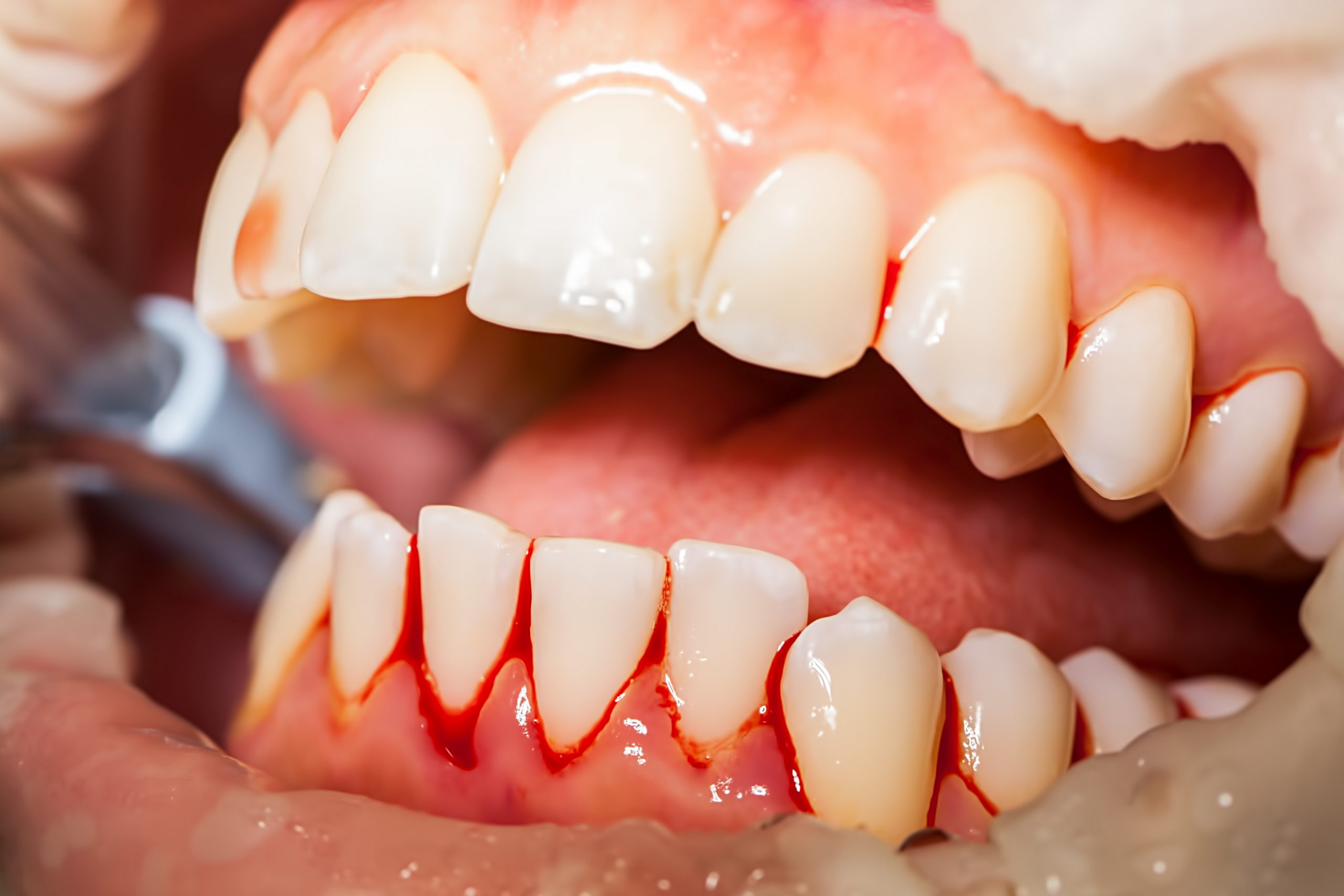
Stop Gums from Bleeding and Enjoy Fresh Breath with Natural Care
Bleeding gums, a prevalent oral health concern, often signal underlying gum disease (gingivitis) or more serious periodontal issues. While professional dental care is crucial for comprehensive oral health management, incorporating natural remedies and preventative measures can significantly contribute to reducing bleeding gums and promoting fresh breath. This comprehensive guide explores natural approaches to address this common problem, emphasizing the importance of a holistic approach to oral hygiene.
Understanding the Root Causes of Bleeding Gums
Before delving into natural solutions, understanding the underlying causes of bleeding gums is essential. While occasional bleeding might result from aggressive brushing or flossing, persistent bleeding points to a more significant problem. The most common culprit is gingivitis, an inflammatory condition affecting the gums. This inflammation is primarily caused by bacterial plaque buildup along the gum line. Poor oral hygiene, neglecting regular brushing and flossing, allows plaque to accumulate, leading to irritation and inflammation of the gum tissues.
Factors Contributing to Gum Inflammation and Bleeding:
- Insufficient Oral Hygiene: Inadequate brushing and flossing allows bacterial plaque to accumulate, leading to inflammation.
- Hormonal Fluctuations: Hormonal changes, particularly during puberty, pregnancy, and menopause, can increase gum sensitivity and bleeding.
- Nutritional Deficiencies: Deficiencies in vitamins like vitamin C and K, as well as certain minerals, can weaken gum tissues, making them more prone to bleeding.
- Medications: Certain medications, such as blood thinners, can increase the risk of bleeding gums.
- Smoking: Smoking impairs blood circulation in the gums, hindering healing and increasing susceptibility to infection.
- Systemic Diseases: Conditions like diabetes can negatively impact gum health, leading to increased bleeding.
- Genetics: A family history of gum disease can predispose individuals to similar issues.
Addressing these underlying factors is paramount in preventing and managing bleeding gums. A proactive approach that combines professional dental care with natural remedies offers a comprehensive strategy for optimal oral health.
Natural Remedies for Bleeding Gums and Fresh Breath
Numerous natural remedies can effectively combat bleeding gums and promote fresh breath. These remedies work by reducing inflammation, strengthening gum tissues, and inhibiting bacterial growth.
Herbal Remedies:
- Aloe Vera: Possessing anti-inflammatory and antibacterial properties, aloe vera gel can soothe inflamed gums and reduce bleeding. Applying a small amount of aloe vera gel directly to the gums can provide relief.
- Tea Tree Oil: Known for its potent antiseptic properties, tea tree oil can effectively combat oral bacteria. However, it should be diluted with a carrier oil (like coconut oil) before application to avoid irritation.
- Sage: Sage possesses astringent and antiseptic properties, making it useful in reducing gum inflammation and promoting healing. Rinsing the mouth with sage tea can be beneficial.
- Myrrh: Myrrh has been traditionally used to treat gum disease due to its anti-inflammatory and antibacterial properties. It's often found in mouthwashes and oral care products.
Dietary Modifications and Nutritional Support:
A balanced diet rich in essential vitamins and minerals plays a crucial role in maintaining healthy gums. Vitamin C is vital for collagen production, essential for healthy gum tissue. Vitamin K aids in blood clotting, reducing bleeding. Calcium and phosphorus strengthen teeth and bones, supporting overall oral health. Incorporating foods rich in these nutrients, such as citrus fruits, leafy green vegetables, and dairy products, is crucial. Furthermore, a diet low in refined sugars can help prevent bacterial growth.
Oral Hygiene Practices:
Maintaining meticulous oral hygiene is fundamental to preventing and managing bleeding gums. This includes:
- Brushing: Gentle brushing twice daily with a soft-bristled toothbrush is crucial. Avoid aggressive brushing, which can damage gum tissues.
- Flossing: Daily flossing removes plaque and food particles from between teeth, where brushing cannot reach. Use gentle, careful motions to avoid injuring gums.
- Oil Pulling: This ancient Ayurvedic technique involves swishing a tablespoon of oil (usually coconut or sesame) in the mouth for 15-20 minutes. It is believed to help reduce plaque and improve oral health, although scientific evidence is still emerging.
- Tongue Scraping: Regular tongue scraping removes bacteria and food particles from the tongue, promoting fresher breath.
The Importance of Professional Dental Care
While natural remedies can play a supportive role, they should not replace regular professional dental care. Regular checkups and cleanings are vital for early detection and treatment of gum disease. A dentist can perform a thorough examination, identify any underlying issues, and provide appropriate treatment, including professional cleaning to remove plaque and tartar buildup.
When to Seek Professional Help:
Seek immediate professional help if you experience:
- Persistent bleeding gums: Bleeding that doesn't subside after a few days of home care.
- Swollen or red gums: Signs of significant inflammation.
- Receding gums: Gums pulling away from the teeth.
- Loose teeth: A sign of advanced gum disease.
- Bad breath (halitosis): Persistent bad breath despite good oral hygiene.
Maintaining Long-Term Oral Health
Preventing bleeding gums and maintaining fresh breath requires a long-term commitment to oral hygiene and a healthy lifestyle. This involves combining effective oral hygiene practices, incorporating natural remedies where appropriate, and maintaining regular visits to the dentist. By adopting a holistic approach, individuals can significantly reduce their risk of gum disease and enjoy a lifetime of healthy smiles and fresh breath. Remember that early intervention is key; addressing gum problems promptly prevents the progression to more severe conditions and the associated discomfort and potential health complications.

No comments:
Post a Comment
Note: Only a member of this blog may post a comment.