
How Probiotics Can Help Prevent the Build-Up of Tartar and Plaque

How Probiotics Can Help Prevent the Build-Up of Tartar and Plaque

The Probiotic Potential: Mitigating Tartar and Plaque Accumulation Through Oral Microbiome Modulation

Dental plaque and tartar, the biofilms formed by bacterial colonization on tooth surfaces, are the primary etiological factors in the development of gingivitis and periodontitis. These inflammatory diseases can lead to tooth loss, and have been linked to systemic health issues. While traditional preventative measures such as brushing, flossing, and professional cleanings remain crucial, emerging research highlights the potential of probiotics in modulating the oral microbiome to prevent or reduce the build-up of these harmful dental deposits.

Understanding the Oral Microbiome and its Role in Plaque Formation

The oral cavity harbors a complex and dynamic ecosystem comprising hundreds of bacterial species, along with fungi, viruses, and archaea. This intricate community, known as the oral microbiome, exists in a delicate balance. A healthy microbiome maintains homeostasis, preventing the overgrowth of pathogenic bacteria. However, disruptions to this balance, often termed "dysbiosis," can lead to the proliferation of harmful species, contributing to plaque and tartar formation.

The Process of Plaque and Tartar Development

Plaque formation begins with the adherence of bacteria to the tooth surface, facilitated by salivary glycoproteins and pellicle formation. Pioneer bacterial species, such as Streptococcus mutans and Streptococcus sobrinus, initiate biofilm development. These bacteria produce extracellular polysaccharides (EPS), which act as a sticky matrix, enabling further bacterial adhesion and the formation of a mature biofilm. The accumulation of this biofilm, along with food debris and salivary proteins, forms plaque. If plaque is not removed through proper oral hygiene, it mineralizes over time, hardening into tartar (calculus). Tartar provides an even more robust surface for bacterial colonization, exacerbating plaque accumulation and inflammation.

The Role of Dysbiosis in Oral Disease

Dysbiosis within the oral microbiome can involve a shift towards a higher proportion of pathogenic bacteria, such as Porphyromonas gingivalis, Aggregatibacter actinomycetemcomitans, and Tannerella forsythia, which are strongly associated with periodontitis. These bacteria produce various virulence factors, including enzymes and toxins, that contribute to gingival inflammation and tissue destruction. The resulting inflammatory response further disrupts the delicate balance of the oral microbiome, perpetuating a cycle of disease.

Probiotics: A Novel Approach to Oral Health Maintenance

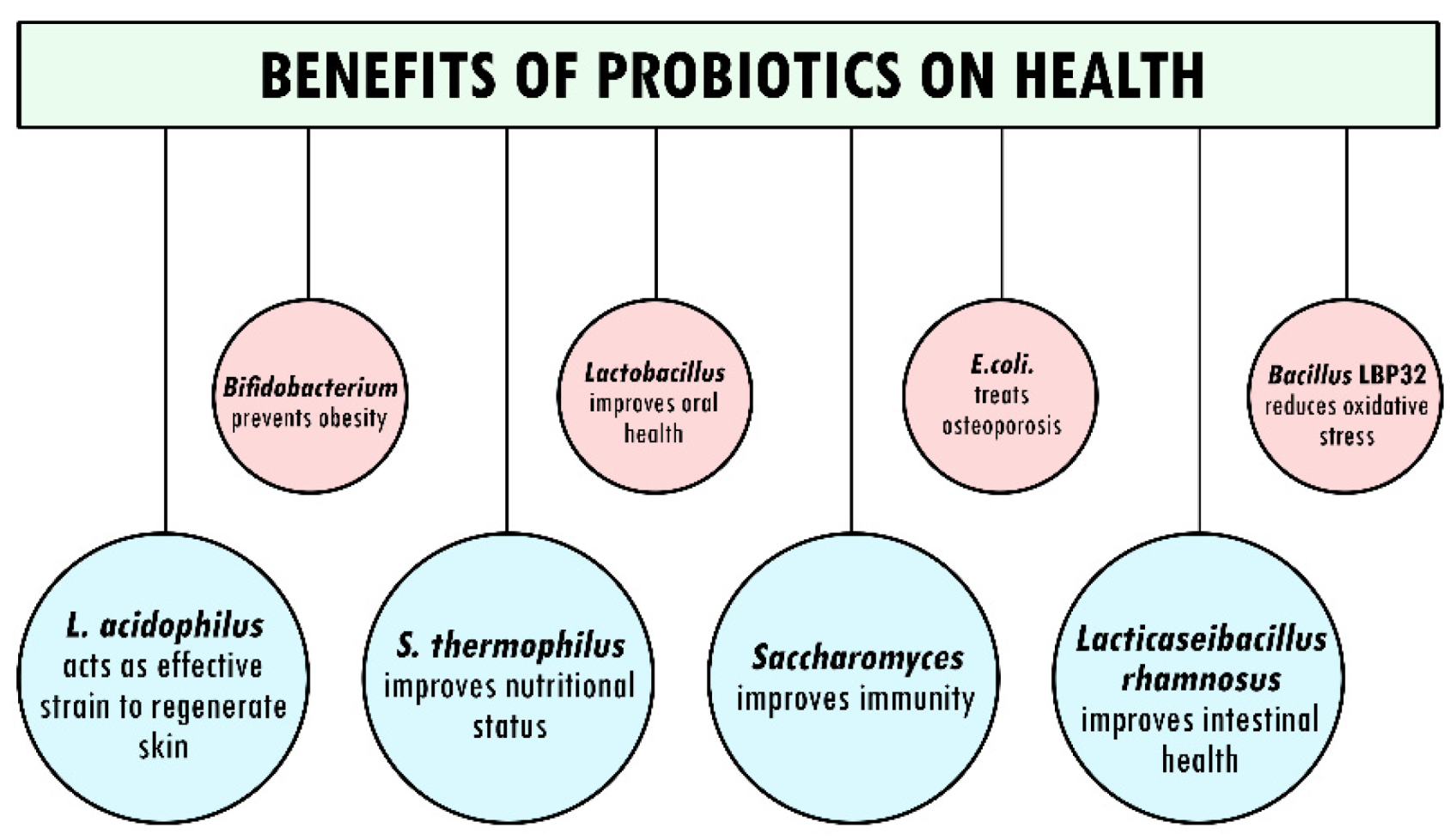
Probiotics, defined as live microorganisms that confer a health benefit on the host when administered in adequate amounts, offer a promising avenue for modulating the oral microbiome and preventing dental plaque and tartar accumulation. By introducing beneficial bacteria into the oral cavity, probiotics can potentially:

  • Compete with pathogenic bacteria for binding sites on the tooth surface, reducing their ability to colonize and form biofilms.
  • Produce antimicrobial substances, such as bacteriocins, that inhibit the growth of pathogenic bacteria.
  • Modulate the host immune response, reducing inflammation and promoting tissue repair.
  • Enhance the production of antimicrobial peptides by the host.
  • Improve the overall stability and biodiversity of the oral microbiome.

Specific Probiotic Strains with Oral Health Benefits

Numerous studies have investigated the efficacy of various probiotic strains in improving oral health. Some of the most promising include:

  • Lactobacillus reuteri: This strain has demonstrated the ability to inhibit the growth of Streptococcus mutans and reduce plaque formation in several clinical trials.
  • Lactobacillus salivarius: This species, a natural inhabitant of the oral cavity, has shown promise in reducing gingivitis and improving periodontal parameters.
  • Weissella cibaria: This lactic acid bacterium has been shown to inhibit the growth of various periodontal pathogens.
  • Streptococcus salivarius K12: This strain has demonstrated anti-inflammatory effects and the ability to reduce halitosis.

It is important to note that the efficacy of different probiotic strains can vary depending on factors such as the strain itself, the dosage, the delivery method, and the individual's oral microbiome.

Mechanisms of Action: How Probiotics Impact Plaque and Tartar

The mechanisms by which probiotics exert their beneficial effects on oral health are multifaceted and not fully understood. However, several key mechanisms have been identified:

Competitive Exclusion

Probiotics can compete with pathogenic bacteria for adhesion sites on the tooth surface and for essential nutrients. By occupying these sites, they effectively limit the ability of pathogenic bacteria to colonize and form biofilms. This competitive exclusion is a crucial mechanism in preventing plaque accumulation.

Antimicrobial Production

Many probiotic strains produce antimicrobial substances, such as organic acids (e.g., lactic acid), hydrogen peroxide, and bacteriocins. These substances can directly inhibit the growth and survival of pathogenic bacteria, contributing to a reduction in plaque and tartar formation. The production of these substances creates a less hospitable environment for harmful bacteria to thrive.

Immune Modulation

Probiotics can modulate the host immune response by interacting with immune cells in the oral mucosa. They can enhance the production of antimicrobial peptides and cytokines, strengthening the host's defense mechanisms against pathogenic bacteria. This modulation of the immune response plays a key role in reducing inflammation and promoting tissue repair in the gums.

Challenges and Future Directions

Despite the promising results from various studies, several challenges remain in translating the potential benefits of probiotics into widespread clinical applications. These include:

  • Strain-specificity: The effectiveness of probiotics is highly strain-specific. Further research is needed to identify the most effective strains for preventing plaque and tartar accumulation.
  • Delivery methods: Developing effective and palatable delivery systems for probiotics, such as lozenges, chewing gums, or mouthwashes, is crucial for ensuring consistent administration and adherence.
  • Long-term efficacy: More long-term studies are necessary to evaluate the long-term efficacy and safety of probiotic interventions in maintaining oral health.
  • Individual variability: The response to probiotic treatment can vary significantly among individuals due to differences in their oral microbiome composition and host factors.

Future research should focus on identifying optimal probiotic strains, developing effective delivery systems, and understanding the complex interplay between probiotics, the oral microbiome, and the host immune system. Personalized approaches, tailored to individual oral microbiome profiles, may be necessary to maximize the efficacy of probiotic interventions.

In conclusion, while conventional oral hygiene practices remain paramount, the incorporation of probiotics into oral health strategies holds significant promise for preventing the build-up of tartar and plaque. Continued research and development in this area could lead to novel and effective approaches to maintain optimal oral health and prevent the progression of periodontal diseases.
Share:

Why Calcium is Essential for Strengthening Your Gums

Why Calcium is Essential for Strengthening Your Gums

The Indispensable Role of Calcium in Gum Health

Maintaining optimal oral health is crucial for overall well-being. While diligent brushing and flossing are cornerstones of a robust oral hygiene regimen, the nutritional underpinnings of healthy gums often receive less attention. Among the essential nutrients, calcium stands out as a vital component in supporting strong, resilient gums and preventing various periodontal diseases. This article will explore the multifaceted role of calcium in gum health, examining its impact on various aspects of periodontal tissue and highlighting the implications of calcium deficiency.

Calcium's Structural Role in Periodontal Tissues

The periodontium, the complex system of tissues supporting the teeth, comprises the gingiva (gums), periodontal ligament, cementum, and alveolar bone. Each of these components requires adequate calcium for structural integrity and proper function. Calcium’s primary function is as a building block for bone tissue, and the alveolar bone, specifically, forms the foundation upon which teeth are anchored. A deficiency in calcium compromises the density and strength of this bone, making it more susceptible to resorption (bone loss) â€" a hallmark of periodontal disease.

The Alveolar Bone and its Dependence on Calcium

The alveolar bone's architecture is intricately interwoven with the periodontal ligament fibers that connect the tooth root to the bone. These fibers transmit forces generated during mastication (chewing) to the bone, ensuring stability and preventing tooth displacement. Calcium is crucial for the proper mineralization and maintenance of this bone matrix. Insufficient calcium intake weakens the alveolar bone, increasing the risk of tooth mobility, bone loss, and ultimately, tooth loss.

Cementum: The Tooth's Protective Layer

Cementum is a specialized, mineralized tissue covering the tooth root. It plays a crucial role in anchoring the periodontal ligament fibers and protecting the dentin (the underlying layer of the tooth). Like bone, cementum's formation and maintenance depend significantly on calcium. A compromised cementum due to calcium deficiency can lead to increased susceptibility to periodontal pathogens and accelerated bone loss.

Calcium's Influence on Inflammatory Processes in the Gums

Periodontal disease is largely an inflammatory condition driven by bacterial biofilm accumulation on the tooth surface. This biofilm triggers an inflammatory response in the gums, leading to gingivitis (inflammation of the gums) and potentially progressing to periodontitis (inflammation affecting the supporting structures of the teeth). While not directly combating bacterial pathogens, calcium plays an indirect but crucial role in modulating the inflammatory response.

Calcium's Role in Immune Function

Calcium is an essential second messenger in numerous cellular processes, including immune cell function. Immune cells, such as neutrophils and macrophages, require adequate calcium levels for optimal activation and function. These cells are critical in combating periodontal pathogens and resolving inflammation. Calcium deficiency can impair their activity, leading to a weakened immune response and increased susceptibility to periodontal infections.

Calcium's Influence on Collagen Synthesis

Collagen is a crucial structural protein found abundantly in the periodontal tissues. It contributes to the integrity of the gingiva, periodontal ligament, and alveolar bone. Calcium plays a vital role in regulating collagen synthesis and cross-linking, contributing to the strength and resilience of these tissues. A calcium deficiency can disrupt collagen synthesis, leading to weaker periodontal tissues and increased vulnerability to inflammation and damage.

Consequences of Calcium Deficiency on Gum Health

Insufficient calcium intake can have significant repercussions on gum health, increasing the risk of various periodontal problems. The consequences are not always immediate or overtly noticeable but often contribute to a gradual deterioration of periodontal tissue over time.

Increased Susceptibility to Gingivitis and Periodontitis

As previously discussed, calcium deficiency weakens the alveolar bone and compromises immune function, making individuals more susceptible to bacterial infections and inflammation. This heightened vulnerability significantly increases the risk of developing both gingivitis and the more severe form, periodontitis.

Accelerated Bone Loss

The direct effect of calcium deficiency on bone mineralization is a major contributor to accelerated alveolar bone loss. This loss undermines the structural support of the teeth, leading to increased tooth mobility and potential tooth loss.

Increased Risk of Tooth Loss

The cumulative effects of calcium deficiency â€" weakened bone, impaired immune response, and disrupted collagen synthesis â€" synergistically increase the risk of tooth loss. Without sufficient calcium to support the underlying structures, teeth become increasingly vulnerable to infection, inflammation, and eventual extraction.

Dietary Strategies for Optimizing Calcium Intake for Gum Health

Maintaining adequate calcium intake is paramount for preventing or mitigating the negative effects of calcium deficiency on gum health. A balanced diet rich in calcium-containing foods is the most effective approach. However, individual needs vary depending on age, overall health, and other factors. Consulting with a healthcare professional or registered dietitian is recommended to personalize dietary plans.

Calcium-Rich Foods

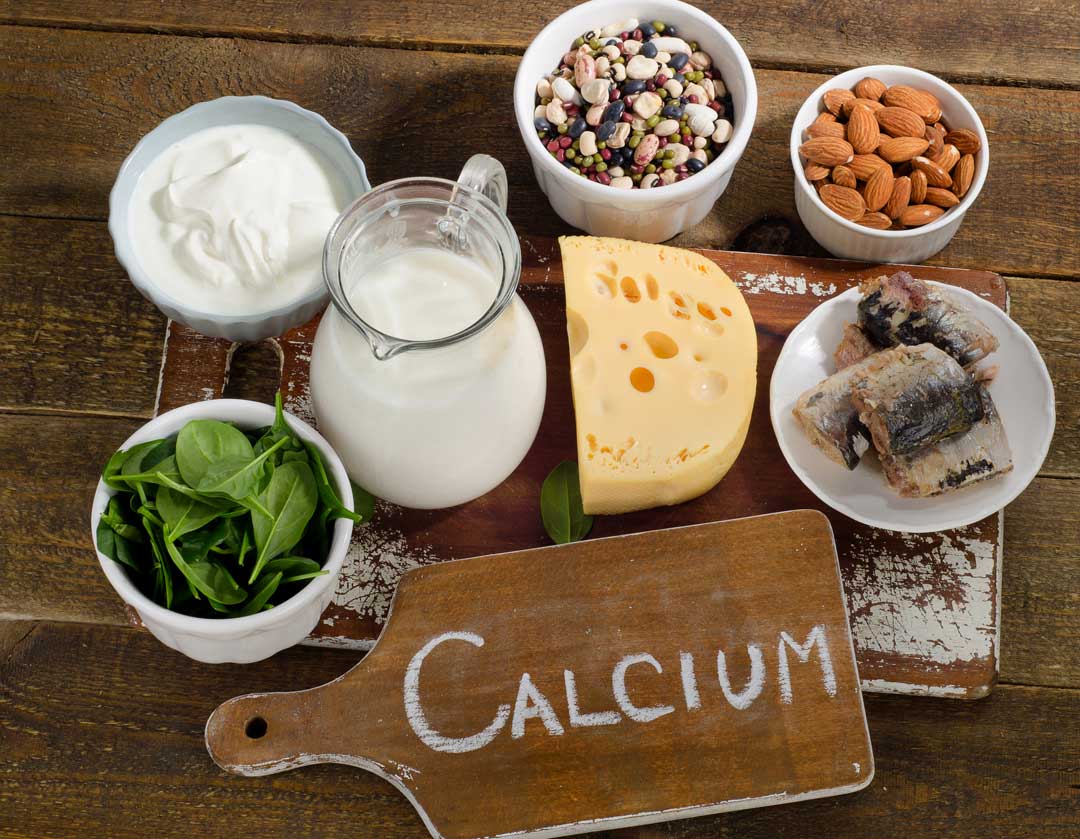
A variety of foods provide excellent sources of calcium. These include:

  • Dairy products (milk, yogurt, cheese)
  • Leafy green vegetables (kale, spinach, collard greens)
  • Fortified foods (cereals, plant-based milks)
  • Sardines and canned salmon (with bones)
  • Tofu (made with calcium sulfate)

Considerations for Calcium Absorption

It is important to note that calcium absorption is not always efficient. Several factors can influence its absorption, including:

  • Vitamin D levels: Vitamin D plays a crucial role in calcium absorption. Adequate vitamin D intake is essential for optimal calcium utilization.
  • Phytic acid: Found in grains and legumes, phytic acid can bind to calcium, reducing its absorption. Soaking or sprouting grains and legumes can help minimize this effect.
  • Oxalates: Found in spinach and rhubarb, oxalates can also interfere with calcium absorption. However, the benefits of these vegetables generally outweigh this potential drawback.

In conclusion, calcium is not merely a supporting player in maintaining healthy gums; it is a pivotal nutrient integral to the structure, function, and resilience of periodontal tissues. Adequate calcium intake, coupled with diligent oral hygiene practices, forms a robust foundation for preserving gum health and preventing the development of periodontal diseases. Individuals concerned about their calcium intake or experiencing symptoms of gum disease should consult with a dentist or healthcare professional for personalized guidance and treatment.

Share:

The Role of Oral Probiotics in Preventing and Treating Tooth Sensitivity

The Role of Oral Probiotics in Preventing and Treating Tooth Sensitivity

The Role of Oral Probiotics in Preventing and Treating Tooth Sensitivity

Hey everyone! Let's talk about something that plagues a lot of us: tooth sensitivity. That sharp, shooting pain when you bite into something cold, hot, sweet, or even just breathe in cold air? Yeah, not fun. While there are plenty of traditional methods to manage it, we're going to dive into a newer area of research: oral probiotics. Are they the magic bullet for sensitive teeth? Well, let's explore!

Understanding Tooth Sensitivity

Before we get into the probiotic party, let's quickly review what causes tooth sensitivity. Most often, it's down to exposed dentin. Dentin is the layer beneath your enamel, the hard outer shell of your tooth. Enamel protects the dentin and the nerves within your tooth. When enamel wears away â€" through things like aggressive brushing, acidic foods and drinks, gum recession, or teeth grinding â€" the dentin is exposed. This dentin has tiny tubules that lead directly to the nerve, making your teeth incredibly vulnerable to temperature changes, pressure, and even sweet or acidic foods.

Common Causes of Enamel Erosion

Let's break down some of the most common culprits behind that sensitive smile:

  • Aggressive Brushing: Scrubbing too hard can wear away enamel over time.
  • Acidic Foods and Drinks: Think sodas, citrus fruits, and even some wines. These can erode enamel, leaving your dentin exposed.
  • Gum Recession: As your gums recede, more of your tooth's root surface is exposed, making it more sensitive.
  • Teeth Grinding (Bruxism): This habit can wear down enamel, especially at the gum line.
  • Tooth Decay: Cavities weaken the enamel and can lead to increased sensitivity.
  • Dental Procedures: Some dental procedures, such as whitening or fillings, can temporarily increase sensitivity.

Enter Oral Probiotics: Tiny Helpers for Healthy Teeth

So, how do oral probiotics fit into this picture? Well, these beneficial bacteria work by rebalancing the oral microbiome â€" the complex community of bacteria living in your mouth. A healthy oral microbiome is crucial for overall oral health. An imbalance, often referred to as dysbiosis, can contribute to various problems, including gum disease and, you guessed it, tooth sensitivity.

How Oral Probiotics Might Help

The exact mechanisms are still being studied, but here's what researchers suspect:

  • Reduced Inflammation: Oral probiotics may help reduce inflammation in the gums, which can contribute to gum recession and exposed dentin.
  • Improved Enamel Strength: Some studies suggest that certain probiotics might help strengthen enamel by promoting remineralization â€" the process of repairing damaged enamel.
  • Enhanced Salivary Function: Saliva plays a vital role in protecting teeth. Probiotics might improve saliva production and composition, contributing to better oral health.
  • Fighting Harmful Bacteria: Probiotics can compete with harmful bacteria that contribute to gum disease and tooth decay, indirectly protecting enamel and reducing sensitivity.

The Science Behind it: What the Research Says

Now, it̢۪s crucial to remember that research on oral probiotics for tooth sensitivity is still relatively new. While there̢۪s growing evidence supporting their potential benefits, more large-scale, long-term studies are needed to confirm these findings and determine the optimal strains and dosages. Many studies show promising results in improving gum health, which in turn can reduce sensitivity caused by gum recession. However, direct evidence showing a significant reduction in sensitivity specifically due to enamel erosion is still limited.

However, existing studies show a positive trend. Many studies have focused on the effect of probiotics on gingivitis and periodontitis, both of which are strongly linked to tooth sensitivity due to gum recession. By reducing the inflammation and bacterial load associated with these conditions, probiotics indirectly contribute to healthier gums and potentially less sensitivity. Look for studies focusing on specific probiotic strains like Lactobacillus and Streptococcus species. These are frequently studied in the context of oral health.

Choosing and Using Oral Probiotics for Tooth Sensitivity

If you're considering trying oral probiotics to address your tooth sensitivity, here are a few key things to keep in mind:

  • Look for Reputable Brands: Choose probiotics from reputable manufacturers that provide third-party testing to ensure the quality and potency of their products.
  • Consider the Strain: Not all probiotic strains are created equal. Look for products containing strains with research supporting their benefits for oral health. Check the label for scientific names of strains.
  • Follow Instructions: Carefully read and follow the manufacturer's instructions regarding dosage and administration.
  • Be Patient: It may take several weeks or even months to see noticeable improvements in your tooth sensitivity. Consistency is key.
  • Consult Your Dentist: Before starting any new supplement, including oral probiotics, it's always best to talk to your dentist. They can assess your specific situation and provide personalized recommendations.

Beyond Probiotics: Other Ways to Manage Tooth Sensitivity

Remember, oral probiotics are just one piece of the puzzle. To effectively manage tooth sensitivity, you need a holistic approach. This means:

  • Gentle Brushing Technique: Use a soft-bristled toothbrush and brush gently.
  • Desensitizing Toothpaste: Many toothpastes contain ingredients designed to block the tubules in dentin, reducing sensitivity.
  • Fluoride Treatment: Fluoride helps strengthen enamel and can make teeth less sensitive.
  • Avoid Abrasive Foods and Drinks: Minimize your consumption of acidic foods and drinks.
  • Mouthguard for Grinding: If you grind your teeth, a mouthguard can protect your enamel.
  • Professional Dental Care: Regular dental checkups and cleanings are crucial for preventing and managing tooth sensitivity.

Frequently Asked Questions (FAQ)

Q: Are oral probiotics safe?

A: Generally, oral probiotics are considered safe for most people. However, some individuals might experience mild side effects such as gas or bloating. If you have any underlying health conditions, it's crucial to consult your doctor or dentist before using them.

Q: How long does it take to see results?

A: The timeframe for noticeable improvements varies greatly depending on individual factors and the severity of tooth sensitivity. It could take several weeks or even months of consistent use.

Q: Can oral probiotics cure tooth sensitivity?

A: While oral probiotics may help improve oral health and potentially reduce tooth sensitivity, they are not a cure. They're best considered as part of a comprehensive approach to managing sensitivity.

Q: Are there any interactions with medications?

A: While rare, some probiotic strains may interact with certain medications. It's always best to consult your doctor or dentist if you are on any medication.

Q: Where can I find oral probiotics?

A: Oral probiotics are available at many pharmacies, health food stores, and online retailers. Make sure to choose reputable brands and read the labels carefully.

Remember, this information is for educational purposes only and doesn't replace professional dental advice. Always consult your dentist before making any changes to your oral care routine, especially if you're experiencing tooth sensitivity.

Share:

Purple Carrots for Gum and Teeth Health: A Natural Boost

Purple Carrots for Gum and Teeth Health: A Natural Boost

Purple Carrots for Gum and Teeth Health: A Natural Boost

The pursuit of optimal oral health often leads individuals to explore a variety of methods, ranging from conventional dental practices to complementary natural remedies. While established dental hygiene remains paramount, the incorporation of certain nutrient-rich foods into one's diet can contribute significantly to overall oral well-being. This article delves into the potential benefits of purple carrots, a vibrant root vegetable, for promoting gum and teeth health, examining their nutritional composition and exploring their impact on various aspects of oral hygiene.

The Nutritional Profile of Purple Carrots: A Foundation for Oral Health

The distinctive purple hue of these carrots arises from the presence of anthocyanins, a potent class of flavonoid pigments. These compounds are not merely responsible for the carrot's striking color; they also possess remarkable antioxidant and anti-inflammatory properties, both crucial for maintaining healthy gums and teeth. Beyond anthocyanins, purple carrots offer a wealth of other beneficial nutrients, including:

  • Vitamin A (Beta-carotene): Essential for maintaining the integrity of oral tissues, promoting healthy gums, and supporting the immune system against oral infections.
  • Vitamin C: A vital antioxidant that plays a significant role in collagen production, essential for the health of gums and the structural support of teeth.
  • Vitamin K: Contributes to blood clotting, which is beneficial in minimizing bleeding during brushing or flossing, common occurrences in individuals with gum disease.
  • Potassium: Crucial for maintaining proper fluid balance in the body, which indirectly supports oral health by contributing to saliva production, a natural defense against bacterial growth.
  • Fiber: Promotes saliva production, aiding in the natural cleansing of the mouth and preventing the accumulation of plaque.
  • Antioxidants (beyond anthocyanins): Purple carrots contain various other antioxidants that combat oxidative stress, a contributing factor to gum disease and tooth decay.

This rich nutritional profile underscores the potential of purple carrots to act as a natural adjuvant in promoting overall oral health, complementing established dental hygiene practices.

Anthocyanins: The Key Players in Oral Health Enhancement

The remarkable health benefits attributed to purple carrots largely stem from their high anthocyanin content. These powerful antioxidants demonstrate several mechanisms by which they contribute to oral health:

Anti-inflammatory Effects

Inflammation is a hallmark of gum disease (gingivitis and periodontitis). Anthocyanins possess significant anti-inflammatory properties, effectively reducing the inflammation associated with gum disease. This reduction in inflammation can help alleviate symptoms such as swelling, redness, and bleeding gums.

Antioxidant Protection

Oxidative stress, caused by an imbalance between free radicals and antioxidants, plays a role in the development of gum disease and tooth decay. Anthocyanins act as potent antioxidants, neutralizing free radicals and protecting oral tissues from damage. This protective action contributes to the overall health and resilience of gums and teeth.

Antibacterial Activity

Studies have indicated that certain anthocyanins exhibit antibacterial activity against various oral bacteria implicated in the development of dental caries (tooth decay) and periodontal disease. While further research is needed to fully elucidate these effects in relation to purple carrot consumption, the inherent antibacterial properties of anthocyanins suggest a potential role in preventing oral infections.

Practical Applications: Incorporating Purple Carrots into Your Oral Health Routine

Integrating purple carrots into a balanced diet is a simple yet effective way to harness their potential benefits for oral health. Several methods can be employed to maximize their impact:

  • Raw Consumption: Eating raw purple carrots promotes the mechanical cleansing of teeth, removing food particles and stimulating saliva production. The crunchy texture can also help to massage gums.
  • Juicing: Juicing purple carrots provides a convenient way to consume a concentrated dose of nutrients. However, it's crucial to maintain good oral hygiene after juicing to avoid potential sugar-related issues.
  • Cooking: While some nutrients may be lost during cooking, purple carrots remain a valuable source of anthocyanins and other beneficial compounds even when cooked. Steaming or roasting are preferred methods to minimize nutrient loss.
  • Smoothies: Adding purple carrots to smoothies offers a tasty and convenient way to incorporate them into one's diet, combining their benefits with those of other fruits and vegetables.

It's important to note that consuming purple carrots should be considered a complementary approach to, not a replacement for, established oral hygiene practices. Regular brushing, flossing, and professional dental cleanings remain crucial for maintaining optimal oral health.

Further Research and Considerations

While the evidence supporting the benefits of purple carrots for oral health is promising, further research is needed to fully understand their mechanisms of action and quantify their effects. Controlled clinical trials are required to establish definitive links between purple carrot consumption and improvements in specific oral health indicators such as gingival inflammation and periodontal disease progression.

Additionally, individual responses to dietary interventions can vary. While purple carrots are generally safe for consumption, individuals with specific allergies or pre-existing conditions should consult with a healthcare professional or registered dietitian before making significant dietary changes.

In conclusion, purple carrots, rich in anthocyanins and other vital nutrients, hold significant promise as a natural adjunct to maintaining optimal gum and teeth health. Their anti-inflammatory, antioxidant, and potentially antibacterial properties contribute to a comprehensive approach to oral well-being. However, incorporating purple carrots into one's diet should be seen as a complementary strategy alongside established dental hygiene practices, and further research is needed to definitively quantify their impact on various aspects of oral health.

Share:

How to Protect and Prevent Gum Disease at Home with Natural Care

How to Protect and Prevent Gum Disease at Home with Natural Care

Protecting and Preventing Gum Disease at Home with Natural Care

Gum disease, or periodontal disease, is a prevalent oral health issue affecting a significant portion of the adult population. While professional dental care is paramount for optimal oral hygiene, proactive home care utilizing natural remedies can significantly contribute to preventing and managing gum disease. This comprehensive guide explores various natural approaches to bolster gum health and reduce the risk of periodontal issues.

Understanding Gum Disease and its Progression

Gum disease encompasses a spectrum of conditions, ranging from mild gingivitis to severe periodontitis. Gingivitis, the initial stage, is characterized by inflamed gums, often exhibiting redness, swelling, and bleeding during brushing. If left untreated, gingivitis can progress to periodontitis, a more severe form involving the destruction of the supporting tissues and bone surrounding the teeth. Periodontitis can lead to tooth loss, and has been linked to systemic health problems such as heart disease and diabetes.

The primary culprit behind gum disease is plaque, a sticky film of bacteria that constantly forms on teeth. Poor oral hygiene allows plaque to accumulate, leading to the release of toxins that irritate the gums. These toxins trigger inflammation, ultimately damaging the gum tissues and underlying bone. Understanding this pathogenic process is crucial for implementing effective preventive measures.

Natural Approaches to Gum Disease Prevention

While professional dental cleanings and check-ups are indispensable, integrating natural strategies into your daily routine can significantly enhance your gum health and reduce your risk of developing gum disease. These methods focus on reducing plaque buildup, promoting healthy gum tissue, and supporting the body's natural healing processes.

Optimal Oral Hygiene Practices

The cornerstone of gum disease prevention remains meticulous oral hygiene. This includes:

  • Brushing: Employ a soft-bristled toothbrush and brush gently for at least two minutes, twice daily. Utilize proper brushing techniques, including angling the brush at a 45-degree angle to the gum line.
  • Flossing: Flossing daily is crucial to remove food particles and plaque from between teeth, areas that your toothbrush cannot reach. Use gentle, careful motions to avoid injuring your gums.
  • Mouthwash: While not a substitute for brushing and flossing, an alcohol-free mouthwash can aid in reducing bacteria and freshening breath. Consider natural mouthwashes based on essential oils like tea tree oil (in appropriate dilutions) or herbal extracts.

Harnessing the Power of Herbs and Essential Oils

Certain herbs and essential oils possess potent anti-inflammatory and antimicrobial properties that can benefit gum health. However, it's crucial to note that these should be used as complementary therapies and not as replacements for professional dental care.

  • Tea Tree Oil: Diluted tea tree oil has shown antimicrobial activity against various bacteria implicated in gum disease. However, it should be used cautiously and diluted properly, as undiluted tea tree oil can irritate the gums.
  • Myrrh: This resin has been traditionally used for its anti-inflammatory and antiseptic properties. Myrrh-based mouthwashes or rinses can be beneficial in reducing inflammation and combating harmful bacteria.
  • Sage: Sage possesses anti-inflammatory and astringent properties that can help reduce gum swelling and bleeding. Sage tea can be used as a mouth rinse.
  • Clove Oil: Clove oil, known for its analgesic and antimicrobial properties, can provide temporary relief from gum pain and inflammation. However, it should be used sparingly and diluted due to its potent nature.

Important Note: Always dilute essential oils before using them in the mouth. Conduct a patch test on a small area of skin before using any essential oil to check for allergic reactions. Consult with a healthcare professional or dentist before incorporating essential oils into your oral care routine, especially if you have pre-existing conditions.

Dietary Considerations for Gum Health

A balanced diet plays a vital role in overall health, including oral health. A diet rich in nutrients supports healthy gum tissue and strengthens the immune system, making it more resilient to infection.

  • Vitamin C: This antioxidant is crucial for collagen production, essential for healthy gum tissues. Include citrus fruits, berries, and leafy green vegetables in your diet.
  • Vitamin D: Plays a critical role in bone health, including the bone surrounding the teeth. Obtain sufficient Vitamin D through sunlight exposure, dietary sources (fatty fish, egg yolks), or supplementation.
  • Calcium: Essential for strong teeth and bones. Incorporate dairy products, leafy greens, and fortified foods into your diet.
  • Fruits and Vegetables: A diet rich in fruits and vegetables promotes overall health and provides essential vitamins and minerals that support gum health.

Conversely, limit the consumption of sugary foods and drinks. Sugar feeds the bacteria in plaque, leading to increased acid production and heightened risk of gum disease.

Lifestyle Factors Influencing Gum Health

Certain lifestyle choices can significantly impact gum health. Adopting healthy habits can greatly reduce your risk of developing gum disease.

  • Stress Management: Chronic stress can negatively impact the immune system, making you more susceptible to infections, including gum disease. Practice stress-reducing techniques such as meditation, yoga, or deep breathing exercises.
  • Smoking Cessation: Smoking is a major risk factor for gum disease. It impairs blood flow to the gums, hindering their ability to heal and making them more vulnerable to infection.
  • Hydration: Staying well-hydrated helps to rinse away food particles and bacteria from the mouth.

Seeking Professional Dental Care

While natural remedies can be valuable components of a comprehensive gum health strategy, they should not replace regular professional dental care. Regular dental check-ups and cleanings are essential for detecting and addressing gum disease in its early stages. Your dentist can provide a thorough examination, remove plaque and tartar buildup, and offer personalized advice on maintaining optimal oral hygiene.

In conclusion, protecting and preventing gum disease requires a multi-faceted approach encompassing meticulous oral hygiene, a balanced diet, a healthy lifestyle, and regular professional dental care. Incorporating natural remedies can complement these measures and enhance gum health, but they should always be used in conjunction with, and not in place of, professional dental advice.

Share:

Why You Should Include Probiotics in Your Oral Care Routine

Why You Should Include Probiotics in Your Oral Care Routine

Why You Should Include Probiotics in Your Oral Care Routine

Maintaining optimal oral health is paramount for overall well-being. While traditional oral hygiene practices, such as brushing and flossing, remain cornerstones of preventative care, emerging scientific evidence highlights the significant role of probiotics in enhancing oral health and combating various oral pathologies. This article explores the multifaceted benefits of incorporating probiotics into your oral care routine, examining the scientific basis for their efficacy and addressing potential considerations for their use.

Understanding the Oral Microbiome and the Role of Probiotics

The human mouth harbors a complex and dynamic ecosystem of microorganisms, collectively known as the oral microbiome. This intricate community comprises bacteria, archaea, fungi, and viruses, which interact with each other and the host in a delicate balance. A healthy oral microbiome is characterized by a diverse population of microorganisms, where beneficial species outnumber and suppress potentially harmful pathogens. This balance is crucial for maintaining oral health and preventing the development of various oral diseases.

Probiotics, defined as live microorganisms that confer a health benefit on the host when administered in adequate amounts, are increasingly recognized for their potential to modulate the oral microbiome. By introducing beneficial bacteria into the oral cavity, probiotics can help restore or maintain the equilibrium of the microbiome, thus contributing to improved oral health.

Mechanisms of Action of Probiotics in Oral Health

The beneficial effects of probiotics on oral health are mediated through several mechanisms:

  • Competitive Exclusion: Probiotic bacteria compete with pathogenic bacteria for adherence sites on the tooth surface and mucosal tissues, preventing colonization and growth of harmful species. This reduces the overall bacterial load and inhibits the production of virulence factors associated with oral diseases.
  • Production of Antimicrobial Substances: Many probiotic strains produce antimicrobial compounds, such as bacteriocins, hydrogen peroxide, and organic acids, which directly inhibit the growth of pathogenic bacteria. These substances effectively reduce the number of harmful microorganisms in the oral cavity.
  • Modulation of the Immune Response: Probiotics interact with the host immune system, stimulating both innate and adaptive immune responses. This can lead to enhanced immune surveillance and a more effective defense against pathogenic bacteria and inflammation.
  • Regulation of Inflammatory Mediators: Probiotics have been shown to reduce the production of inflammatory cytokines, which are implicated in the pathogenesis of various oral diseases. By downregulating inflammation, probiotics contribute to tissue repair and prevent further damage.
  • Enhancement of Salivary Flow: Some studies suggest that probiotics may stimulate salivary flow, which is crucial for maintaining oral hygiene. Saliva possesses natural antimicrobial properties and helps remove food debris and bacteria from the oral cavity.

Probiotics and Specific Oral Health Conditions

Emerging research indicates that probiotics may play a beneficial role in the prevention and treatment of several oral health conditions:

Dental Caries (Tooth Decay)

Dental caries, a prevalent oral disease, is caused by the accumulation of acid-producing bacteria, primarily Streptococcus mutans. Probiotics, such as Lactobacillus rhamnosus and Lactobacillus salivarius, have demonstrated the ability to inhibit the growth of S. mutans and reduce the production of acid, thus contributing to caries prevention.

Gingivitis and Periodontitis

Gingivitis and periodontitis are inflammatory diseases affecting the gums and supporting tissues of the teeth. These conditions are associated with dysbiosis of the oral microbiome, where an overgrowth of pathogenic bacteria leads to inflammation and tissue destruction. Probiotics can help restore the balance of the oral microbiome, reduce inflammation, and improve gingival health. Studies have shown that certain probiotic strains can reduce gingival bleeding and improve periodontal parameters.

Oral Mucositis

Oral mucositis, characterized by inflammation and ulceration of the oral mucosa, is a common side effect of cancer therapies such as chemotherapy and radiotherapy. Probiotics have shown promise in reducing the severity and duration of oral mucositis, improving patient comfort and quality of life. The mechanism likely involves modulation of the immune response and reduction of inflammation.

Halitosis (Bad Breath)

Halitosis, or bad breath, is often associated with an imbalance in the oral microbiome. Probiotics can help reduce the number of volatile sulfur compounds (VSCs), which are responsible for the unpleasant odor. By restoring the microbial balance and inhibiting the growth of VSC-producing bacteria, probiotics can contribute to fresher breath.

Incorporating Probiotics into Your Oral Care Routine

There are several ways to incorporate probiotics into your oral care routine:

  • Probiotic Mouthwashes and Gels: Commercially available probiotic mouthwashes and gels contain specific strains of probiotic bacteria that can be applied directly to the oral cavity. These products offer a convenient way to deliver probiotics to the target site.
  • Probiotic Toothpastes: Some toothpastes now incorporate probiotic strains into their formulations. These toothpastes offer a combined approach to oral hygiene, combining the mechanical cleaning action of brushing with the benefits of probiotics.
  • Probiotic Lozenges and Tablets: Probiotic lozenges and tablets can be dissolved in the mouth, delivering probiotics to the oral cavity. These formulations can be particularly beneficial for individuals who struggle with consistent use of mouthwashes or gels.
  • Dietary Intake of Probiotics: Consuming probiotic-rich foods, such as yogurt with live cultures, kefir, and sauerkraut, can indirectly contribute to the overall health of the oral microbiome. This approach provides a systemic benefit, although the direct effect on the oral cavity might be less pronounced compared to topical application.

Important Note: While probiotics offer significant potential for enhancing oral health, it is crucial to select products that are scientifically proven to be effective and safe. Look for products that specify the strains of probiotics used, their concentration, and supporting scientific evidence. Consult with a dentist or healthcare professional before incorporating probiotics into your oral care routine, particularly if you have pre-existing medical conditions or are taking medications.

Future Directions and Conclusion

The field of probiotic research in oral health is rapidly expanding. Future studies will focus on identifying the most effective probiotic strains for specific oral conditions, optimizing delivery methods, and exploring the synergistic effects of probiotics with other oral care interventions. A better understanding of the complex interactions between probiotics and the oral microbiome will be crucial for developing personalized oral care strategies based on individual needs and microbial profiles.

In conclusion, incorporating probiotics into your oral care routine offers a promising avenue for enhancing oral health and preventing various oral diseases. By modulating the oral microbiome, probiotics can contribute to a healthier, more balanced oral ecosystem, ultimately leading to improved oral hygiene and overall well-being. However, it's essential to adopt a holistic approach, combining probiotic use with established oral hygiene practices such as brushing, flossing, and regular dental checkups, for optimal results.

Share:

Natural Approaches to Improve Your Dental Hygiene with Probiotics

Natural Approaches to Improve Your Dental Hygiene with Probiotics

Natural Approaches to Improve Your Dental Hygiene with Probiotics

Maintaining optimal oral health is paramount for overall well-being. While conventional dental hygiene practices, such as brushing and flossing, remain essential, emerging research highlights the significant role of probiotics in enhancing oral microbiota balance and improving dental hygiene naturally. This article explores the multifaceted benefits of probiotics for dental health, examining their mechanisms of action, practical applications, and potential limitations.

Understanding the Oral Microbiome and its Dysbiosis

The human oral cavity harbors a complex and diverse microbial ecosystem, encompassing bacteria, fungi, viruses, and archaea. This oral microbiome plays a crucial role in maintaining oral health. A balanced microbiome, characterized by a diverse community of beneficial microorganisms, effectively prevents the colonization of pathogenic bacteria and contributes to a healthy oral environment. Conversely, dysbiosis, an imbalance in the composition and function of the oral microbiome, is frequently implicated in the development of various oral diseases, including dental caries (tooth decay), gingivitis (gum inflammation), and periodontitis (severe gum disease).

The Role of Pathogenic Bacteria in Oral Diseases

Several pathogenic bacterial species are known to contribute significantly to oral diseases. Streptococcus mutans, for example, is a primary causative agent of dental caries, producing acids that demineralize tooth enamel. Porphyromonas gingivalis and Aggregatibacter actinomycetemcomitans are strongly associated with periodontitis, inducing inflammation and bone loss. The overgrowth of these pathogenic bacteria, often resulting from an imbalance in the oral microbiome, contributes directly to the progression of oral diseases.

The Protective Effects of a Balanced Oral Microbiome

A healthy oral microbiome, characterized by a rich diversity of commensal bacteria, offers several protective mechanisms against oral diseases. Beneficial bacteria compete with pathogenic bacteria for nutrients and attachment sites on tooth surfaces, limiting their colonization and growth. They also produce antimicrobial substances, such as bacteriocins, that inhibit the growth of pathogenic bacteria. Furthermore, a balanced microbiome contributes to the maintenance of a stable pH in the oral cavity, preventing the acidification that facilitates tooth demineralization.

Probiotics: Restoring Balance to the Oral Microbiome

Probiotics are live microorganisms, primarily bacteria and yeasts, that confer health benefits when administered in adequate amounts. Their application in dentistry is predicated on the principle of restoring and maintaining a balanced oral microbiome. By introducing beneficial bacteria into the oral cavity, probiotics can help to counteract the negative effects of pathogenic bacteria, promoting oral health.

Mechanisms of Action of Probiotic Bacteria in the Oral Cavity

Probiotic bacteria employ various mechanisms to exert their beneficial effects on oral health. These include:

  • Competition for resources: Probiotic bacteria compete with pathogenic bacteria for nutrients and binding sites on tooth surfaces, limiting their ability to colonize and proliferate.
  • Production of antimicrobial substances: Many probiotic bacteria produce antimicrobial compounds, such as bacteriocins, hydrogen peroxide, and organic acids, that inhibit the growth of pathogenic bacteria.
  • Modulation of the immune response: Probiotic bacteria can modulate the host immune response, reducing inflammation and enhancing the body's ability to fight infection. They can do this by stimulating the production of antibodies and other immune factors.
  • Production of enzymes: Certain probiotic bacteria produce enzymes that break down harmful substances in the oral cavity, such as those contributing to halitosis (bad breath).
  • Enhancement of saliva quality: Some research suggests probiotics can positively influence the composition and properties of saliva, which plays a critical role in maintaining oral health.

Types of Probiotic Strains Used in Dental Applications

Several strains of probiotic bacteria have shown promise in improving dental hygiene. The most commonly studied strains include:

  • Lactobacillus rhamnosus: Demonstrates antimicrobial activity against several pathogenic oral bacteria.
  • Lactobacillus salivarius: A naturally occurring bacterium in the oral cavity, exhibiting potential benefits in managing halitosis and gingivitis.
  • Lactobacillus reuteri: Displays anti-inflammatory and antimicrobial properties.
  • Streptococcus salivarius K12: Shown to inhibit the growth of Streptococcus mutans.
  • Weissella cibaria: Exhibits antimicrobial effects against various oral pathogens.

It's important to note that the efficacy of probiotic strains can vary depending on factors such as the specific strain, dosage, and delivery method.

Practical Applications of Probiotics in Dental Hygiene

Probiotics for improving dental hygiene are available in various forms, including:

  • Lozenges and chewable tablets: These provide a convenient method for delivering probiotics directly to the oral cavity.
  • Mouthwashes: Probiotic mouthwashes can offer a targeted approach to improving oral hygiene.
  • Gels and pastes: These topical formulations can provide sustained release of probiotics within the oral cavity.
  • Dietary supplements: While not directly applied to the mouth, some probiotic supplements might influence the oral microbiome indirectly through systemic effects.

The choice of application method depends on individual preferences and the specific probiotic strain used. It̢۪s crucial to consult with a dentist or healthcare professional before starting any probiotic regimen, particularly if you have pre-existing medical conditions.

Limitations and Considerations

While the potential benefits of probiotics in dental hygiene are promising, several limitations and considerations need to be addressed:

  • Limited clinical evidence: While numerous studies support the use of probiotics in improving oral health, more large-scale, well-designed clinical trials are needed to confirm their efficacy and establish optimal dosage and treatment durations.
  • Strain specificity: The efficacy of probiotics is often strain-specific. Not all probiotic strains are equally effective in improving oral health, and some may even have unintended consequences.
  • Individual variability: The response to probiotic therapy can vary considerably among individuals, depending on factors such as the composition of their existing oral microbiome, overall health status, and lifestyle factors.
  • Sustainability of effects: The benefits of probiotics might not be sustained in the long term without continuous administration, as the oral microbiome is a dynamic environment.

Probiotics should be considered a complementary therapy to conventional dental hygiene practices, not a replacement. Maintaining excellent oral hygiene habits, including regular brushing, flossing, and professional dental cleanings, remains crucial for optimal dental health. The integration of probiotics into a comprehensive oral health regimen may offer additional benefits and contribute to a healthier and more balanced oral microbiome.

Further research is necessary to fully elucidate the mechanisms of action, optimal strains, and long-term effects of probiotics in enhancing dental hygiene. However, the existing evidence suggests a significant potential for probiotics to contribute naturally to improved oral health and a reduction in the incidence of oral diseases.

Share:

Probiotics for a Plaque-Free Smile: Keep Your Teeth Healthy

Probiotics for a Plaque-Free Smile: Keep Your Teeth Healthy

Probiotics for a Plaque-Free Smile: Keep Your Teeth Healthy

Maintaining optimal oral health often involves a diligent routine of brushing, flossing, and regular dental checkups. But what if there was a natural, internal approach that could significantly bolster your efforts? Enter probiotics, the beneficial bacteria that reside in your gut and, increasingly, are recognized for their impact on oral health. This article explores the fascinating connection between probiotics and plaque-free smiles, shedding light on how these microscopic allies can contribute to a healthier, happier mouth.

Understanding the Oral Microbiome and Plaque Formation

Your mouth is home to a complex ecosystem of bacteria, collectively known as the oral microbiome. A balanced microbiome keeps harmful bacteria in check, preventing the formation of plaque, a sticky film that clings to your teeth. Plaque buildup leads to gingivitis (gum inflammation) and, if left untreated, periodontitis (gum disease), which can cause tooth loss. The key is maintaining a healthy equilibrium, and probiotics can play a pivotal role. They don't directly attack plaque, but instead help to shift the balance of the oral microbiome in your favor, promoting the growth of beneficial bacteria that compete with plaque-forming species.

How Probiotics Fight Plaque

Probiotics achieve this beneficial shift through several mechanisms. They produce substances that inhibit the growth of harmful bacteria, reducing plaque formation. Some probiotics produce antibacterial compounds that directly target specific plaque-causing bacteria, effectively weakening their hold on your teeth. Furthermore, probiotics help strengthen your gums by reducing inflammation, making them more resilient against plaque-induced damage. This creates a less hospitable environment for plaque to thrive.

Specific Probiotic Strains and Their Oral Benefits

While research is ongoing, certain probiotic strains have shown promise in improving oral health. These include:

  • Lactobacillus species: Known for their ability to produce lactic acid, which inhibits the growth of many harmful bacteria.
  • Streptococcus salivarius K12: Demonstrated effectiveness in reducing the presence of Streptococcus mutans, a key player in cavity formation.
  • Weissella cibaria: Shown to have anti-inflammatory properties beneficial for gum health.

It's important to note that the effectiveness of these strains can vary depending on factors like the individual's oral microbiome and overall health. Consulting with a dentist or healthcare professional is crucial before incorporating probiotics into your oral care routine.

Beyond Probiotics: A Holistic Approach to Oral Health

While probiotics offer a promising addition to your oral hygiene regimen, they should not replace essential practices. Maintaining excellent oral hygiene habits remains paramount. This includes brushing twice daily with fluoride toothpaste, flossing regularly, and visiting your dentist for regular checkups and cleanings. A balanced diet low in sugar, ample hydration, and stress management also contribute significantly to overall oral health and support the effectiveness of probiotics.

In conclusion, probiotics represent a significant step forward in our understanding of how to maintain optimal oral health. By promoting a balanced oral microbiome, they contribute to reducing plaque formation and enhancing gum health. However, remember that probiotics are a complementary approach and should be integrated into a comprehensive oral care strategy for the most effective results. Consult your dentist or healthcare professional to determine if incorporating probiotics is right for you.

Share:

Boost Your Oral Hygiene Routine with Essential Supplements for Teeth

Boost Your Oral Hygiene Routine with Essential Supplements for Teeth

Boost Your Oral Hygiene Routine with Essential Supplements for Teeth

Maintaining optimal oral hygiene is paramount for overall health and well-being. While diligent brushing and flossing form the cornerstone of a robust oral care regimen, incorporating essential nutritional supplements can significantly enhance these efforts, fostering a healthier and stronger dentition. This article explores the crucial role of dietary supplementation in promoting oral health, highlighting key nutrients and their mechanisms of action in supporting teeth and gums.

The Foundation of Oral Health: Essential Nutrients

The health of teeth and gums is intricately linked to overall nutritional status. A deficiency in essential vitamins and minerals can compromise the structural integrity of teeth, increase susceptibility to periodontal disease, and hinder the body's natural repair mechanisms. Therefore, ensuring adequate intake of specific nutrients is critical for maintaining a healthy oral cavity.

Calcium: The Building Block of Teeth

Calcium is the primary mineral constituent of tooth enamel and dentin, the hard tissues that provide structural support and protect the inner pulp. Adequate calcium intake throughout life, particularly during periods of tooth development and growth, is essential for building strong, resistant teeth capable of withstanding the challenges of daily wear and tear. A deficiency can lead to weakened enamel, increased sensitivity, and a heightened risk of cavities and dental erosion.

Dietary sources rich in calcium include dairy products (milk, yogurt, cheese), leafy green vegetables (kale, spinach), fortified plant milks, and certain fish (sardines, salmon).

Vitamin D: Calcium Absorption Enhancer

Vitamin D plays a crucial role in calcium absorption and utilization. It facilitates the transport of calcium from the intestines into the bloodstream, ensuring that sufficient calcium is available for tooth mineralization and bone health. Without adequate Vitamin D, even a diet rich in calcium may not effectively support optimal tooth development and maintenance.

Vitamin D can be obtained through sun exposure, dietary sources like fatty fish (tuna, mackerel), egg yolks, and fortified foods (milk, cereals), and supplements.

Vitamin K2: Directing Calcium to Bones and Teeth

While calcium is essential for building strong teeth, its proper deposition in the right locations is equally important. Vitamin K2 acts as a vital regulator, guiding calcium to the bones and teeth, preventing its accumulation in soft tissues where it can contribute to calcification and other health problems. A synergistic relationship exists between Vitamin D, calcium, and Vitamin K2, ensuring effective mineralization of teeth and bones.

Vitamin K2 is found in fermented foods like natto, sauerkraut, and certain cheeses, as well as in some animal products.

Phosphorus: Supporting Enamel Strength

Phosphorus is another crucial mineral component of tooth enamel and dentin, working in concert with calcium to enhance structural integrity. It contributes to the hardness and resistance of teeth, protecting them against wear and decay. A deficiency can compromise enamel strength, increasing vulnerability to cavities and dental erosion.

Phosphorus is abundant in many foods, including dairy products, meat, poultry, fish, and legumes.

Magnesium: Supporting Bone and Tooth Development

Magnesium is involved in various metabolic processes, including bone and tooth development. While not a primary structural component like calcium and phosphorus, magnesium supports the enzymes responsible for bone mineralization and overall skeletal health. Adequate magnesium levels contribute to stronger teeth and bones, reducing the risk of dental problems.

Good sources of magnesium include leafy green vegetables, nuts, seeds, whole grains, and legumes.

Vitamin C: Protecting Gum Health

Vitamin C is an essential nutrient for maintaining healthy gums. It's a potent antioxidant that protects against oxidative stress, a major contributor to gum disease (gingivitis and periodontitis). Vitamin C is also crucial for collagen synthesis, a protein essential for the structural integrity of gum tissues. Deficiency can lead to weakened gums, increased bleeding, and a higher risk of periodontal disease.

Vitamin C is widely available in citrus fruits, berries, tomatoes, and leafy green vegetables.

Supplementing for Optimal Oral Health: Considerations and Cautions

While dietary supplements can significantly support oral health, it's crucial to approach their use responsibly. It's vital to consult with a healthcare professional or registered dietitian before starting any supplement regimen, particularly if you have pre-existing health conditions or are taking other medications. They can help determine your individual needs and ensure that the chosen supplements are safe and effective for you.

Over-supplementation can have adverse effects, and it's essential to follow the recommended dosage instructions carefully. For instance, excessive intake of calcium can lead to kidney stones or gastrointestinal issues. Similarly, high doses of Vitamin D can also have undesirable side effects.

It's crucial to remember that supplements should complement, not replace, a balanced and nutritious diet. A healthy diet rich in fruits, vegetables, whole grains, and lean proteins provides the best foundation for optimal oral and overall health. Supplements are intended to address specific deficiencies or support improved nutrient absorption, not to substitute for a healthy lifestyle.

Choosing the Right Supplements

When choosing oral health supplements, consider the following factors:

  • Reputable Brands: Opt for supplements from well-established brands with a history of quality control and third-party testing.
  • Ingredients: Look for supplements with clearly listed ingredients and avoid those containing unnecessary additives or fillers.
  • Dosage: Follow the recommended dosage instructions carefully and avoid exceeding the suggested amounts.
  • Interactions: Consult your healthcare provider about potential interactions with other medications or supplements you may be taking.

Conclusion: A Holistic Approach to Oral Care

Maintaining optimal oral hygiene requires a holistic approach that encompasses regular brushing and flossing, a balanced diet, and, in some cases, strategic supplementation. While a healthy diet provides the best source of essential nutrients, targeted supplementation, when guided by a healthcare professional, can significantly enhance oral health, leading to stronger teeth, healthier gums, and a reduced risk of dental problems. By combining good oral hygiene practices with appropriate nutritional strategies, individuals can invest in the long-term health and well-being of their teeth and gums.

Disclaimer: This article is intended for informational purposes only and should not be construed as medical advice. Always consult with a healthcare professional or registered dietitian before starting any new supplement regimen or making significant changes to your diet.

Share:

The Role of Probiotics in Treating Gum Recession Naturally

The Role of Probiotics in Treating Gum Recession Naturally

The Role of Probiotics in Treating Gum Recession Naturally

Gum recession, the gradual loss of gum tissue around the teeth, is a prevalent oral health concern with significant implications for dental health. While traditional treatments exist, many individuals are exploring natural alternatives, with probiotics emerging as a promising avenue. This article explores the potential of probiotics in managing and potentially reversing gum recession, examining the underlying mechanisms and current research supporting their use. It is crucial to note that while promising, probiotic therapy should be considered a complementary approach, not a replacement for professional dental care.

Understanding Gum Recession and its Etiology

Gum recession, clinically known as gingival recession, exposes the root surfaces of teeth, leading to increased sensitivity, tooth decay, and potential tooth loss. The primary causes of gum recession are multifaceted and often interconnected:

Aggressive Brushing and Flossing Techniques

Vigorous brushing and improper flossing techniques can abrade the gum tissue over time, contributing to recession. This mechanical trauma disrupts the delicate balance of the gingival tissues.

Periodontal Disease

Periodontal disease, encompassing gingivitis and periodontitis, is a major contributor to gum recession. Inflammation and infection of the gums destroy the supporting structures of the teeth, leading to gradual gum line retraction. The bacterial biofilm accumulating on teeth plays a central role in this destructive process.

Genetic Predisposition

Some individuals are genetically predisposed to gum recession, exhibiting thinner gingival tissues or a predisposition to periodontal disease. This genetic component influences the susceptibility to gum recession irrespective of oral hygiene practices.

Other Contributing Factors

Additional factors contributing to gum recession include hormonal changes, certain medications (e.g., some anticonvulsants and calcium channel blockers), bruxism (teeth grinding), and smoking. These factors often exacerbate existing conditions or independently contribute to gum tissue loss.

The Role of the Oral Microbiome in Gum Health

The oral cavity harbors a complex and dynamic ecosystem of microorganisms, collectively known as the oral microbiome. A balanced microbiome is essential for maintaining oral health. An imbalance, termed dysbiosis, characterized by an overgrowth of pathogenic bacteria and a reduction in beneficial bacteria, is strongly implicated in the development and progression of periodontal disease and subsequent gum recession.

Gram-negative anaerobic bacteria, such as Porphyromonas gingivalis, Tannerella forsythia, and Aggregatibacter actinomycetemcomitans, are key players in periodontal disease pathogenesis. These bacteria produce various virulence factors that contribute to inflammation, tissue destruction, and bone loss.

Probiotics: Potential Allies in Combating Gum Recession

Probiotics, defined as live microorganisms that confer health benefits when administered in adequate amounts, are increasingly being investigated for their potential in promoting oral health. Their mechanism of action in treating or preventing gum recession is multifaceted:

Inhibition of Pathogenic Bacteria

Certain probiotic strains, particularly Lactobacillus and Bifidobacterium species, can competitively inhibit the growth of pathogenic bacteria associated with periodontal disease. This is achieved through mechanisms such as:

  • Competition for nutrients and adhesion sites on the tooth surface.
  • Production of antimicrobial substances, such as bacteriocins and organic acids, that directly inhibit the growth of pathogens.
  • Modulation of the host immune response, leading to a reduction in inflammation.

Strengthening the Gum Tissue

Probiotics may contribute to the strengthening of gum tissue by stimulating the production of collagen and other extracellular matrix proteins. A healthy extracellular matrix is crucial for maintaining the structural integrity of the gingival tissues.

Modulation of the Immune Response

Probiotics can influence the host immune response, reducing inflammation and promoting tissue regeneration. They can modulate the production of cytokines and other inflammatory mediators, thereby mitigating the destructive effects of periodontal disease.

Improved Oral Hygiene

Some studies suggest that probiotics can indirectly improve oral hygiene by influencing the composition of the oral microbiome, potentially leading to reduced plaque formation and improved gum health. This contributes to a less aggressive environment which can slow down or possibly prevent further gum recession.

Current Research and Evidence

While the research on probiotics for gum recession is still evolving, a growing body of evidence supports their potential therapeutic benefits. Several studies have demonstrated that probiotic supplementation can lead to a reduction in periodontal disease markers, such as gingival inflammation, bleeding on probing, and pocket depth. However, the majority of studies have been conducted on relatively small sample sizes and require further investigation to confirm their efficacy and establish optimal probiotic strains and dosages.

Many studies are focusing on specific probiotic strains, particularly those showing promising results in preclinical studies. Further research is needed to clarify which strains are most effective for which specific stages or types of gum recession. The efficacy and longevity of effects also require more extensive longitudinal studies.

Challenges and Considerations

Despite the promising potential, several challenges and considerations must be addressed:

Strain Specificity

The efficacy of probiotics is highly strain-specific. Not all probiotic strains are equally effective in treating gum recession. Further research is needed to identify the most effective strains for this specific application.

Dosage and Administration

The optimal dosage and administration route (e.g., oral supplements, mouthwashes) of probiotics for gum recession remains to be determined. Standardized protocols are needed to ensure consistency and reproducibility of results.

Individual Variation

Individual responses to probiotic therapy can vary significantly due to differences in oral microbiome composition, genetics, and overall health status. Personalized approaches may be necessary to optimize treatment effectiveness.

Integration with Conventional Treatment

Probiotic therapy should be considered a complementary approach to conventional treatment for gum recession, not a replacement. Professional dental cleaning, scaling and root planing, and other necessary dental interventions remain crucial.

Conclusion

Probiotics hold promise as a natural and potentially effective adjunct therapy for managing gum recession. Their ability to modulate the oral microbiome, strengthen gum tissue, and reduce inflammation suggests a significant role in preventing and potentially reversing gum tissue loss. However, more rigorous clinical trials with larger sample sizes are necessary to solidify the evidence base and establish clear guidelines for clinical practice. It is crucial to emphasize that probiotic therapy should be considered a complementary approach, used in conjunction with professional dental care and not as a standalone treatment for gum recession. Individuals experiencing gum recession should consult with a dentist or periodontist to receive a proper diagnosis and develop a comprehensive treatment plan.

Share: