
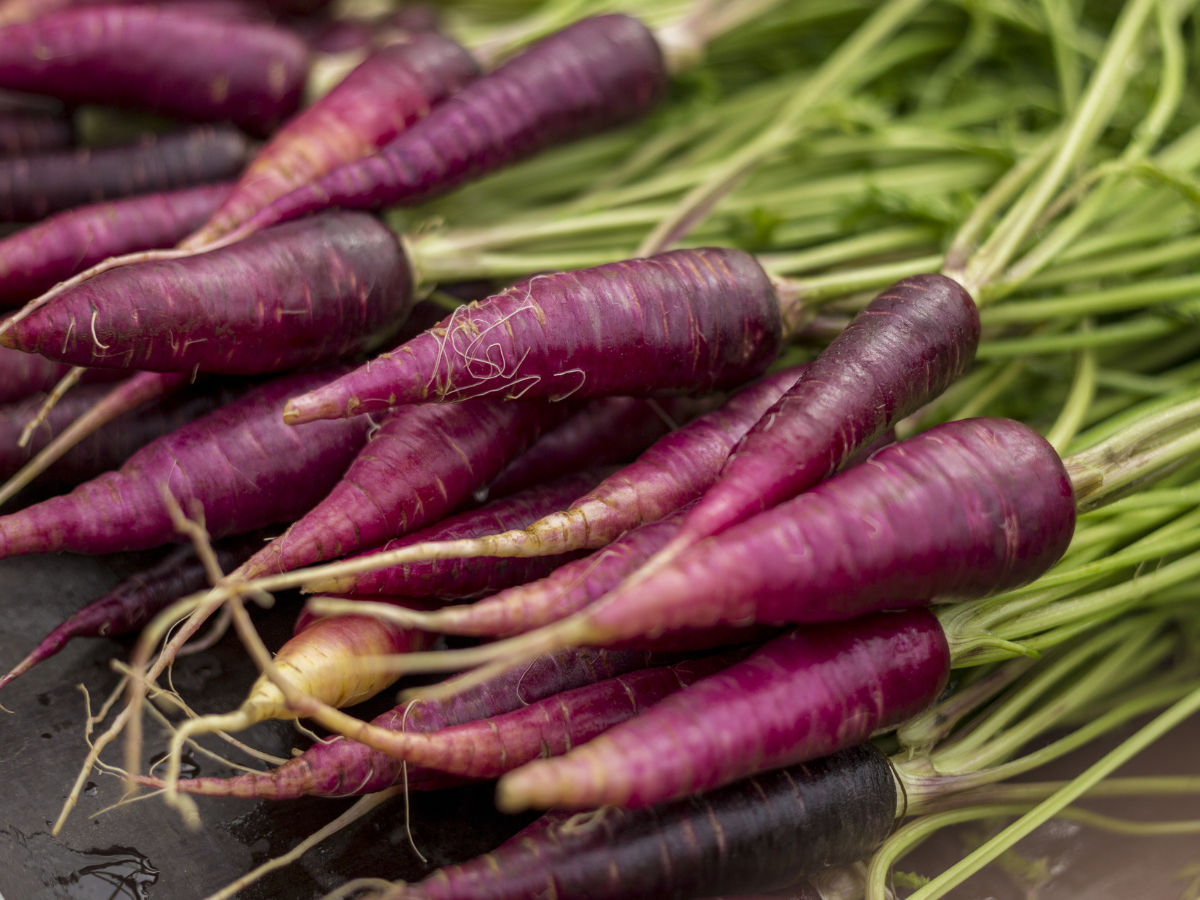
Purple Carrots for Gum and Teeth Health: A Natural Boost
The pursuit of optimal oral health often leads individuals to explore a variety of methods, ranging from conventional dental practices to complementary natural remedies. While established dental hygiene remains paramount, the incorporation of certain nutrient-rich foods into one's diet can contribute significantly to overall oral well-being. This article delves into the potential benefits of purple carrots, a vibrant root vegetable, for promoting gum and teeth health, examining their nutritional composition and exploring their impact on various aspects of oral hygiene.
The Nutritional Profile of Purple Carrots: A Foundation for Oral Health
The distinctive purple hue of these carrots arises from the presence of anthocyanins, a potent class of flavonoid pigments. These compounds are not merely responsible for the carrot's striking color; they also possess remarkable antioxidant and anti-inflammatory properties, both crucial for maintaining healthy gums and teeth. Beyond anthocyanins, purple carrots offer a wealth of other beneficial nutrients, including:
- Vitamin A (Beta-carotene): Essential for maintaining the integrity of oral tissues, promoting healthy gums, and supporting the immune system against oral infections.
- Vitamin C: A vital antioxidant that plays a significant role in collagen production, essential for the health of gums and the structural support of teeth.
- Vitamin K: Contributes to blood clotting, which is beneficial in minimizing bleeding during brushing or flossing, common occurrences in individuals with gum disease.
- Potassium: Crucial for maintaining proper fluid balance in the body, which indirectly supports oral health by contributing to saliva production, a natural defense against bacterial growth.
- Fiber: Promotes saliva production, aiding in the natural cleansing of the mouth and preventing the accumulation of plaque.
- Antioxidants (beyond anthocyanins): Purple carrots contain various other antioxidants that combat oxidative stress, a contributing factor to gum disease and tooth decay.
This rich nutritional profile underscores the potential of purple carrots to act as a natural adjuvant in promoting overall oral health, complementing established dental hygiene practices.
Anthocyanins: The Key Players in Oral Health Enhancement
The remarkable health benefits attributed to purple carrots largely stem from their high anthocyanin content. These powerful antioxidants demonstrate several mechanisms by which they contribute to oral health:
Anti-inflammatory Effects
Inflammation is a hallmark of gum disease (gingivitis and periodontitis). Anthocyanins possess significant anti-inflammatory properties, effectively reducing the inflammation associated with gum disease. This reduction in inflammation can help alleviate symptoms such as swelling, redness, and bleeding gums.
Antioxidant Protection
Oxidative stress, caused by an imbalance between free radicals and antioxidants, plays a role in the development of gum disease and tooth decay. Anthocyanins act as potent antioxidants, neutralizing free radicals and protecting oral tissues from damage. This protective action contributes to the overall health and resilience of gums and teeth.
Antibacterial Activity
Studies have indicated that certain anthocyanins exhibit antibacterial activity against various oral bacteria implicated in the development of dental caries (tooth decay) and periodontal disease. While further research is needed to fully elucidate these effects in relation to purple carrot consumption, the inherent antibacterial properties of anthocyanins suggest a potential role in preventing oral infections.
Practical Applications: Incorporating Purple Carrots into Your Oral Health Routine
Integrating purple carrots into a balanced diet is a simple yet effective way to harness their potential benefits for oral health. Several methods can be employed to maximize their impact:
- Raw Consumption: Eating raw purple carrots promotes the mechanical cleansing of teeth, removing food particles and stimulating saliva production. The crunchy texture can also help to massage gums.
- Juicing: Juicing purple carrots provides a convenient way to consume a concentrated dose of nutrients. However, it's crucial to maintain good oral hygiene after juicing to avoid potential sugar-related issues.
- Cooking: While some nutrients may be lost during cooking, purple carrots remain a valuable source of anthocyanins and other beneficial compounds even when cooked. Steaming or roasting are preferred methods to minimize nutrient loss.
- Smoothies: Adding purple carrots to smoothies offers a tasty and convenient way to incorporate them into one's diet, combining their benefits with those of other fruits and vegetables.
It's important to note that consuming purple carrots should be considered a complementary approach to, not a replacement for, established oral hygiene practices. Regular brushing, flossing, and professional dental cleanings remain crucial for maintaining optimal oral health.
Further Research and Considerations
While the evidence supporting the benefits of purple carrots for oral health is promising, further research is needed to fully understand their mechanisms of action and quantify their effects. Controlled clinical trials are required to establish definitive links between purple carrot consumption and improvements in specific oral health indicators such as gingival inflammation and periodontal disease progression.
Additionally, individual responses to dietary interventions can vary. While purple carrots are generally safe for consumption, individuals with specific allergies or pre-existing conditions should consult with a healthcare professional or registered dietitian before making significant dietary changes.
In conclusion, purple carrots, rich in anthocyanins and other vital nutrients, hold significant promise as a natural adjunct to maintaining optimal gum and teeth health. Their anti-inflammatory, antioxidant, and potentially antibacterial properties contribute to a comprehensive approach to oral well-being. However, incorporating purple carrots into one's diet should be seen as a complementary strategy alongside established dental hygiene practices, and further research is needed to definitively quantify their impact on various aspects of oral health.

No comments:
Post a Comment
Note: Only a member of this blog may post a comment.