
The Role of Oral Probiotics in Preventing and Treating Tooth Sensitivity
Hey everyone! Let's talk about something that plagues a lot of us: tooth sensitivity. That sharp, shooting pain when you bite into something cold, hot, sweet, or even just breathe in cold air? Yeah, not fun. While there are plenty of traditional methods to manage it, we're going to dive into a newer area of research: oral probiotics. Are they the magic bullet for sensitive teeth? Well, let's explore!
Understanding Tooth Sensitivity
Before we get into the probiotic party, let's quickly review what causes tooth sensitivity. Most often, it's down to exposed dentin. Dentin is the layer beneath your enamel, the hard outer shell of your tooth. Enamel protects the dentin and the nerves within your tooth. When enamel wears away â€" through things like aggressive brushing, acidic foods and drinks, gum recession, or teeth grinding â€" the dentin is exposed. This dentin has tiny tubules that lead directly to the nerve, making your teeth incredibly vulnerable to temperature changes, pressure, and even sweet or acidic foods.
Common Causes of Enamel Erosion
Let's break down some of the most common culprits behind that sensitive smile:
- Aggressive Brushing: Scrubbing too hard can wear away enamel over time.
- Acidic Foods and Drinks: Think sodas, citrus fruits, and even some wines. These can erode enamel, leaving your dentin exposed.
- Gum Recession: As your gums recede, more of your tooth's root surface is exposed, making it more sensitive.
- Teeth Grinding (Bruxism): This habit can wear down enamel, especially at the gum line.
- Tooth Decay: Cavities weaken the enamel and can lead to increased sensitivity.
- Dental Procedures: Some dental procedures, such as whitening or fillings, can temporarily increase sensitivity.
Enter Oral Probiotics: Tiny Helpers for Healthy Teeth
So, how do oral probiotics fit into this picture? Well, these beneficial bacteria work by rebalancing the oral microbiome â€" the complex community of bacteria living in your mouth. A healthy oral microbiome is crucial for overall oral health. An imbalance, often referred to as dysbiosis, can contribute to various problems, including gum disease and, you guessed it, tooth sensitivity.
How Oral Probiotics Might Help
The exact mechanisms are still being studied, but here's what researchers suspect:
- Reduced Inflammation: Oral probiotics may help reduce inflammation in the gums, which can contribute to gum recession and exposed dentin.
- Improved Enamel Strength: Some studies suggest that certain probiotics might help strengthen enamel by promoting remineralization â€" the process of repairing damaged enamel.
- Enhanced Salivary Function: Saliva plays a vital role in protecting teeth. Probiotics might improve saliva production and composition, contributing to better oral health.
- Fighting Harmful Bacteria: Probiotics can compete with harmful bacteria that contribute to gum disease and tooth decay, indirectly protecting enamel and reducing sensitivity.
The Science Behind it: What the Research Says
Now, it’s crucial to remember that research on oral probiotics for tooth sensitivity is still relatively new. While there’s growing evidence supporting their potential benefits, more large-scale, long-term studies are needed to confirm these findings and determine the optimal strains and dosages. Many studies show promising results in improving gum health, which in turn can reduce sensitivity caused by gum recession. However, direct evidence showing a significant reduction in sensitivity specifically due to enamel erosion is still limited.
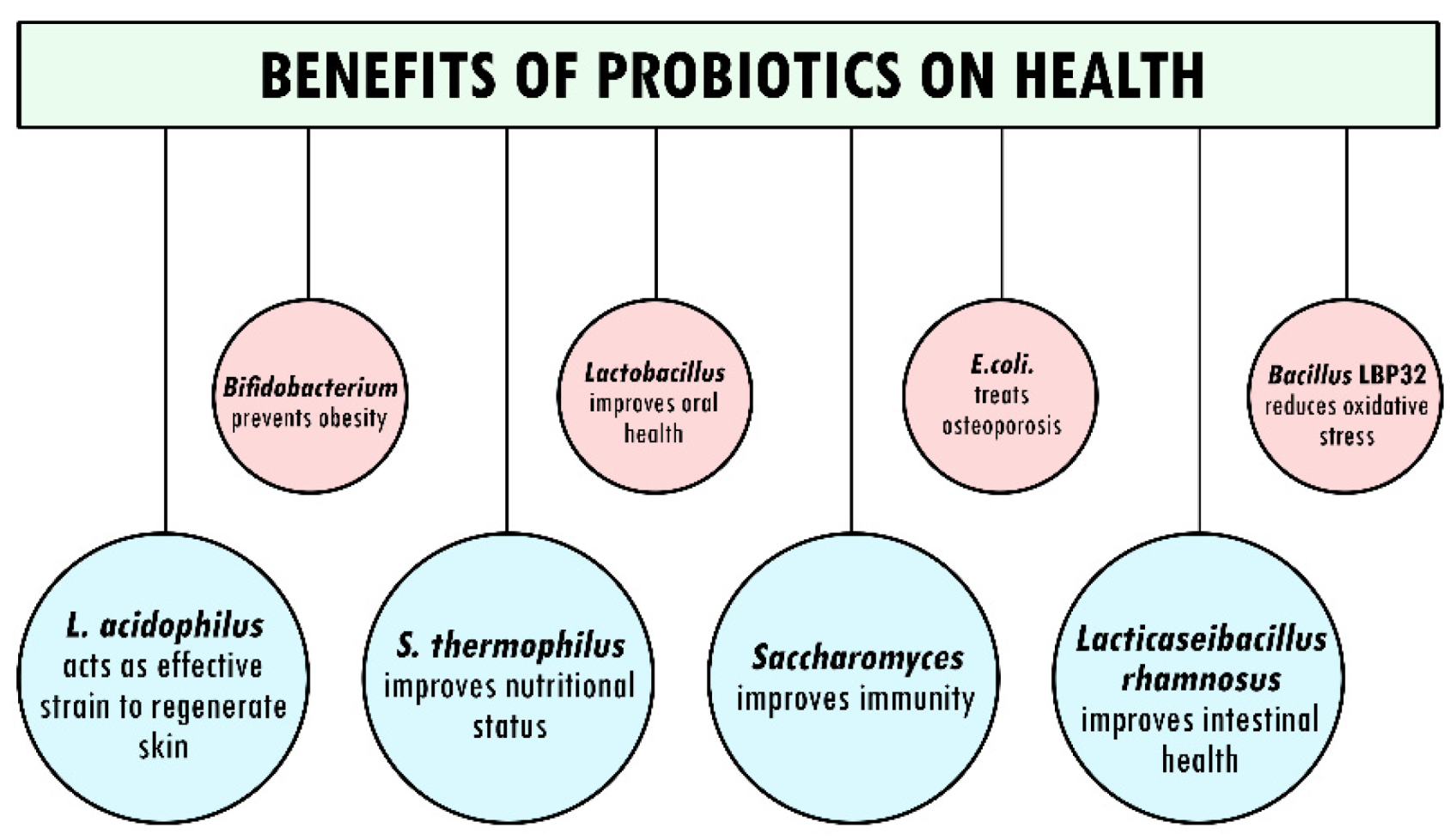
However, existing studies show a positive trend. Many studies have focused on the effect of probiotics on gingivitis and periodontitis, both of which are strongly linked to tooth sensitivity due to gum recession. By reducing the inflammation and bacterial load associated with these conditions, probiotics indirectly contribute to healthier gums and potentially less sensitivity. Look for studies focusing on specific probiotic strains like Lactobacillus and Streptococcus species. These are frequently studied in the context of oral health.
Choosing and Using Oral Probiotics for Tooth Sensitivity
If you're considering trying oral probiotics to address your tooth sensitivity, here are a few key things to keep in mind:
- Look for Reputable Brands: Choose probiotics from reputable manufacturers that provide third-party testing to ensure the quality and potency of their products.
- Consider the Strain: Not all probiotic strains are created equal. Look for products containing strains with research supporting their benefits for oral health. Check the label for scientific names of strains.
- Follow Instructions: Carefully read and follow the manufacturer's instructions regarding dosage and administration.
- Be Patient: It may take several weeks or even months to see noticeable improvements in your tooth sensitivity. Consistency is key.
- Consult Your Dentist: Before starting any new supplement, including oral probiotics, it's always best to talk to your dentist. They can assess your specific situation and provide personalized recommendations.
Beyond Probiotics: Other Ways to Manage Tooth Sensitivity
Remember, oral probiotics are just one piece of the puzzle. To effectively manage tooth sensitivity, you need a holistic approach. This means:
- Gentle Brushing Technique: Use a soft-bristled toothbrush and brush gently.
- Desensitizing Toothpaste: Many toothpastes contain ingredients designed to block the tubules in dentin, reducing sensitivity.
- Fluoride Treatment: Fluoride helps strengthen enamel and can make teeth less sensitive.
- Avoid Abrasive Foods and Drinks: Minimize your consumption of acidic foods and drinks.
- Mouthguard for Grinding: If you grind your teeth, a mouthguard can protect your enamel.
- Professional Dental Care: Regular dental checkups and cleanings are crucial for preventing and managing tooth sensitivity.
Frequently Asked Questions (FAQ)
Q: Are oral probiotics safe?
A: Generally, oral probiotics are considered safe for most people. However, some individuals might experience mild side effects such as gas or bloating. If you have any underlying health conditions, it's crucial to consult your doctor or dentist before using them.
Q: How long does it take to see results?
A: The timeframe for noticeable improvements varies greatly depending on individual factors and the severity of tooth sensitivity. It could take several weeks or even months of consistent use.
Q: Can oral probiotics cure tooth sensitivity?
A: While oral probiotics may help improve oral health and potentially reduce tooth sensitivity, they are not a cure. They're best considered as part of a comprehensive approach to managing sensitivity.
Q: Are there any interactions with medications?
A: While rare, some probiotic strains may interact with certain medications. It's always best to consult your doctor or dentist if you are on any medication.
Q: Where can I find oral probiotics?
A: Oral probiotics are available at many pharmacies, health food stores, and online retailers. Make sure to choose reputable brands and read the labels carefully.
Remember, this information is for educational purposes only and doesn't replace professional dental advice. Always consult your dentist before making any changes to your oral care routine, especially if you're experiencing tooth sensitivity.

No comments:
Post a Comment
Note: Only a member of this blog may post a comment.