
The Indispensable Role of Calcium in Gum Health
Maintaining optimal oral health is crucial for overall well-being. While diligent brushing and flossing are cornerstones of a robust oral hygiene regimen, the nutritional underpinnings of healthy gums often receive less attention. Among the essential nutrients, calcium stands out as a vital component in supporting strong, resilient gums and preventing various periodontal diseases. This article will explore the multifaceted role of calcium in gum health, examining its impact on various aspects of periodontal tissue and highlighting the implications of calcium deficiency.
Calcium's Structural Role in Periodontal Tissues
The periodontium, the complex system of tissues supporting the teeth, comprises the gingiva (gums), periodontal ligament, cementum, and alveolar bone. Each of these components requires adequate calcium for structural integrity and proper function. Calcium’s primary function is as a building block for bone tissue, and the alveolar bone, specifically, forms the foundation upon which teeth are anchored. A deficiency in calcium compromises the density and strength of this bone, making it more susceptible to resorption (bone loss) â€" a hallmark of periodontal disease.
The Alveolar Bone and its Dependence on Calcium
The alveolar bone's architecture is intricately interwoven with the periodontal ligament fibers that connect the tooth root to the bone. These fibers transmit forces generated during mastication (chewing) to the bone, ensuring stability and preventing tooth displacement. Calcium is crucial for the proper mineralization and maintenance of this bone matrix. Insufficient calcium intake weakens the alveolar bone, increasing the risk of tooth mobility, bone loss, and ultimately, tooth loss.
Cementum: The Tooth's Protective Layer
Cementum is a specialized, mineralized tissue covering the tooth root. It plays a crucial role in anchoring the periodontal ligament fibers and protecting the dentin (the underlying layer of the tooth). Like bone, cementum's formation and maintenance depend significantly on calcium. A compromised cementum due to calcium deficiency can lead to increased susceptibility to periodontal pathogens and accelerated bone loss.
Calcium's Influence on Inflammatory Processes in the Gums
Periodontal disease is largely an inflammatory condition driven by bacterial biofilm accumulation on the tooth surface. This biofilm triggers an inflammatory response in the gums, leading to gingivitis (inflammation of the gums) and potentially progressing to periodontitis (inflammation affecting the supporting structures of the teeth). While not directly combating bacterial pathogens, calcium plays an indirect but crucial role in modulating the inflammatory response.
Calcium's Role in Immune Function
Calcium is an essential second messenger in numerous cellular processes, including immune cell function. Immune cells, such as neutrophils and macrophages, require adequate calcium levels for optimal activation and function. These cells are critical in combating periodontal pathogens and resolving inflammation. Calcium deficiency can impair their activity, leading to a weakened immune response and increased susceptibility to periodontal infections.
Calcium's Influence on Collagen Synthesis
Collagen is a crucial structural protein found abundantly in the periodontal tissues. It contributes to the integrity of the gingiva, periodontal ligament, and alveolar bone. Calcium plays a vital role in regulating collagen synthesis and cross-linking, contributing to the strength and resilience of these tissues. A calcium deficiency can disrupt collagen synthesis, leading to weaker periodontal tissues and increased vulnerability to inflammation and damage.
Consequences of Calcium Deficiency on Gum Health
Insufficient calcium intake can have significant repercussions on gum health, increasing the risk of various periodontal problems. The consequences are not always immediate or overtly noticeable but often contribute to a gradual deterioration of periodontal tissue over time.
Increased Susceptibility to Gingivitis and Periodontitis
As previously discussed, calcium deficiency weakens the alveolar bone and compromises immune function, making individuals more susceptible to bacterial infections and inflammation. This heightened vulnerability significantly increases the risk of developing both gingivitis and the more severe form, periodontitis.
Accelerated Bone Loss
The direct effect of calcium deficiency on bone mineralization is a major contributor to accelerated alveolar bone loss. This loss undermines the structural support of the teeth, leading to increased tooth mobility and potential tooth loss.
Increased Risk of Tooth Loss
The cumulative effects of calcium deficiency â€" weakened bone, impaired immune response, and disrupted collagen synthesis â€" synergistically increase the risk of tooth loss. Without sufficient calcium to support the underlying structures, teeth become increasingly vulnerable to infection, inflammation, and eventual extraction.
Dietary Strategies for Optimizing Calcium Intake for Gum Health
Maintaining adequate calcium intake is paramount for preventing or mitigating the negative effects of calcium deficiency on gum health. A balanced diet rich in calcium-containing foods is the most effective approach. However, individual needs vary depending on age, overall health, and other factors. Consulting with a healthcare professional or registered dietitian is recommended to personalize dietary plans.
Calcium-Rich Foods
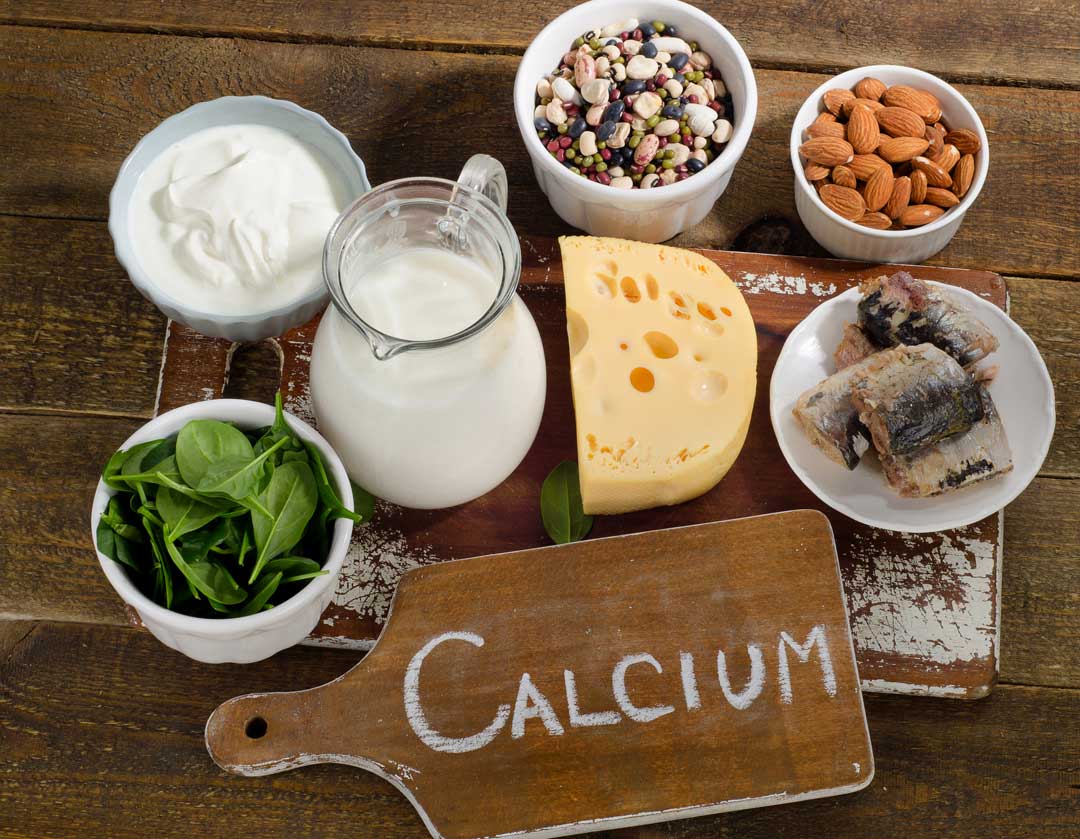
A variety of foods provide excellent sources of calcium. These include:
- Dairy products (milk, yogurt, cheese)
- Leafy green vegetables (kale, spinach, collard greens)
- Fortified foods (cereals, plant-based milks)
- Sardines and canned salmon (with bones)
- Tofu (made with calcium sulfate)
Considerations for Calcium Absorption
It is important to note that calcium absorption is not always efficient. Several factors can influence its absorption, including:
- Vitamin D levels: Vitamin D plays a crucial role in calcium absorption. Adequate vitamin D intake is essential for optimal calcium utilization.
- Phytic acid: Found in grains and legumes, phytic acid can bind to calcium, reducing its absorption. Soaking or sprouting grains and legumes can help minimize this effect.
- Oxalates: Found in spinach and rhubarb, oxalates can also interfere with calcium absorption. However, the benefits of these vegetables generally outweigh this potential drawback.
In conclusion, calcium is not merely a supporting player in maintaining healthy gums; it is a pivotal nutrient integral to the structure, function, and resilience of periodontal tissues. Adequate calcium intake, coupled with diligent oral hygiene practices, forms a robust foundation for preserving gum health and preventing the development of periodontal diseases. Individuals concerned about their calcium intake or experiencing symptoms of gum disease should consult with a dentist or healthcare professional for personalized guidance and treatment.


No comments:
Post a Comment
Note: Only a member of this blog may post a comment.