
Preventing and Treating White Gums for Healthier Teeth
The appearance of white gums, while not always indicative of immediate danger, can signal underlying dental or systemic health issues. Understanding the causes, prevention strategies, and treatment options for white gums is crucial for maintaining optimal oral health and overall well-being. This comprehensive guide delves into the various factors contributing to white gums, providing readers with the knowledge necessary to address this oral concern effectively.
Understanding the Causes of White Gums
White gums, technically referred to as gingival pallor, can arise from a range of causes, encompassing both localized oral conditions and systemic diseases. Accurate diagnosis is essential to determine the underlying etiology and implement appropriate treatment.
Local Oral Factors
Several local factors within the oral cavity can contribute to the development of white gums. These are often directly related to the health and integrity of the gum tissues themselves:
- Gingival Recession: This condition involves the receding of the gum line, exposing more of the tooth's root surface. The exposed root appears whiter than the gum tissue, creating the illusion of white gums. Gingival recession is often linked to aggressive brushing techniques, periodontal disease, and certain genetic predispositions.
- Leukoplakia: This is a condition characterized by the formation of white patches or plaques on the mucous membranes of the mouth, including the gums. While often benign, leukoplakia can sometimes be a precancerous lesion, necessitating prompt professional evaluation.
- Lichen Planus: This chronic inflammatory condition affecting the skin and mucous membranes can manifest as white lacy patterns or patches on the gums. The exact cause is unknown, but it can be associated with autoimmune disorders.
- Oral Thrush (Candidiasis): This fungal infection, caused by an overgrowth of Candida albicans, can produce white patches on the gums that are often creamy in appearance and can be easily wiped away. Oral thrush is more common in individuals with weakened immune systems.
- Medication-Induced Changes: Some medications, particularly those used in chemotherapy or immunosuppression, can affect the gum tissue, causing it to appear pale or white.
Systemic Factors
Beyond localized oral issues, systemic conditions can significantly impact gum coloration. White gums may be a symptom of a more widespread health problem, demanding immediate medical attention:
- Anemia: A deficiency in red blood cells, often due to iron deficiency, can lead to pale gums and other symptoms like fatigue and weakness. The lack of hemoglobin, which carries oxygen in the blood, results in reduced coloration of the gum tissue.
- Leukemia: This type of blood cancer can cause a decrease in the number of red and white blood cells, leading to pale gums as well as other systemic symptoms such as fever, fatigue, and bruising.
- Vitamin Deficiencies: Deficiencies in vitamins such as vitamin B12 and folic acid can affect blood cell production, resulting in pale gums and other systemic symptoms. These deficiencies can be diagnosed with blood tests.
- Liver Disease: Certain liver disorders can cause decreased blood clotting and reduced production of certain proteins needed for healthy gum tissue, leading to pallor.
- Other Systemic Illnesses: Various other systemic illnesses, including autoimmune disorders and chronic infections, can indirectly affect gum coloration, making them appear pale or white.
Prevention Strategies for Healthy Gums
Preventing the development of white gums often involves maintaining excellent oral hygiene and addressing underlying health conditions. A proactive approach is key to preserving the health and appearance of your gums.
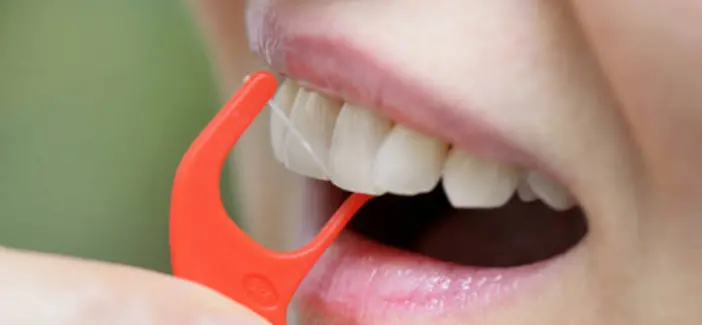
- Proper Oral Hygiene: Thorough brushing and flossing at least twice daily are fundamental to preventing gum disease and maintaining healthy gum tissue. Use a soft-bristled toothbrush and gentle brushing techniques to avoid damaging the gums.
- Regular Dental Checkups: Schedule regular visits to your dentist for professional cleanings and examinations. Early detection of gum disease and other oral problems is crucial for preventing complications.
- Healthy Diet: A balanced diet rich in fruits, vegetables, and other nutrients supports overall health, including oral health. Ensure adequate intake of vitamins and minerals essential for healthy gum tissue.
- Quit Smoking: Smoking significantly increases the risk of gum disease and other oral health problems. Quitting smoking is a critical step toward improving overall oral health.
- Manage Underlying Medical Conditions: Effectively managing existing systemic diseases is crucial in preventing complications that could affect gum health. Work closely with your physician to control any underlying conditions.
Treatment Options for White Gums
The treatment for white gums depends entirely on the underlying cause. Accurate diagnosis is paramount to determine the appropriate course of action.
- Treatment of Underlying Oral Conditions: If white gums are due to conditions like gingivitis, periodontal disease, or oral thrush, treatment will focus on addressing these specific issues. This may involve antibiotics, antifungal medications, scaling and root planing (deep cleaning), or other periodontal procedures.
- Management of Systemic Diseases: If white gums are a symptom of a systemic condition such as anemia or leukemia, treatment will focus on addressing the underlying disease. This may involve medication, lifestyle changes, or other medical interventions.
- Surgical Interventions: In cases of severe gingival recession, surgical procedures such as gum grafts may be necessary to restore gum tissue and improve the aesthetic appearance of the gums.
- Nutritional Supplementation: If white gums are associated with vitamin deficiencies, nutritional supplementation may be recommended to correct the deficiencies and improve overall health.
Important Note: Self-treating white gums is strongly discouraged. The appearance of white gums can be a sign of several serious conditions. Seeking professional dental and medical advice is essential for accurate diagnosis and appropriate treatment.
Conclusion
White gums can signify various underlying oral or systemic issues, ranging from relatively minor conditions to serious medical concerns. Maintaining excellent oral hygiene, undergoing regular dental checkups, and addressing any underlying health problems are crucial in preventing the development of white gums. If you notice any changes in the color or texture of your gums, it is imperative to consult a dentist or physician for a comprehensive evaluation and appropriate treatment plan. Early detection and intervention are key to preserving both your oral health and overall well-being.

No comments:
Post a Comment
Note: Only a member of this blog may post a comment.