
Treat Gingivitis and Keep Your Gums Healthy with Natural Tips
Gingivitis, the early stage of gum disease, is a common problem characterized by inflamed, red, and swollen gums that often bleed easily. While professional dental care is crucial for managing gum disease, incorporating natural remedies into your daily routine can significantly support treatment and prevent future occurrences. This article explores effective natural tips to combat gingivitis and maintain healthy gums.
Understanding the Root of the Problem
Gingivitis primarily stems from plaque buildup along the gum line. Plaque, a sticky film of bacteria, irritates the gums, leading to inflammation. Poor oral hygiene, genetics, hormonal changes, and certain medical conditions can increase your susceptibility. Understanding the cause empowers you to take targeted action. Effective gingivitis treatment focuses on removing plaque, reducing inflammation, and improving overall oral health. This isn't about replacing professional dental care; instead, it's about supplementing it for enhanced results and long-term gum health.
Natural Ways to Combat Gingivitis
The Power of Oil Pulling
Oil pulling, an ancient Ayurvedic practice, involves swishing oil around in your mouth for several minutes to draw out bacteria and toxins. Coconut oil is a popular choice due to its antimicrobial properties. Simply swish 1-2 tablespoons of coconut oil for 15-20 minutes, then spit it out into the trash (never the sink!) and rinse your mouth thoroughly with water. This simple technique can noticeably reduce plaque and improve gum health over time. Remember consistency is key; aim for daily practice for optimal results.
Herbal Remedies for Soothing Gums
Several herbs possess anti-inflammatory and antibacterial properties beneficial for treating gingivitis. Aloe vera, known for its soothing qualities, can be applied directly to the gums to reduce inflammation. Sage, with its potent antiseptic properties, can be used as a mouthwash; simply steep a few sage leaves in hot water and let it cool before rinsing. Green tea, rich in antioxidants, can also aid in reducing inflammation and fighting bacteria. You can rinse your mouth with cooled green tea after brushing.
Dietary Changes for Gum Health
Your diet plays a crucial role in overall health, including oral health. Increase your intake of fruits and vegetables rich in vitamins and antioxidants, which support gum tissue repair and strengthen your immune system. Reduce your consumption of sugary foods and drinks, as they feed bacteria and contribute to plaque formation. A balanced diet rich in nutrient-dense foods is foundational to healthy gums.
Maintaining Long-Term Gum Health
Beyond treating existing gingivitis, proactive measures ensure long-term gum health. This involves a consistent and meticulous oral hygiene routine.
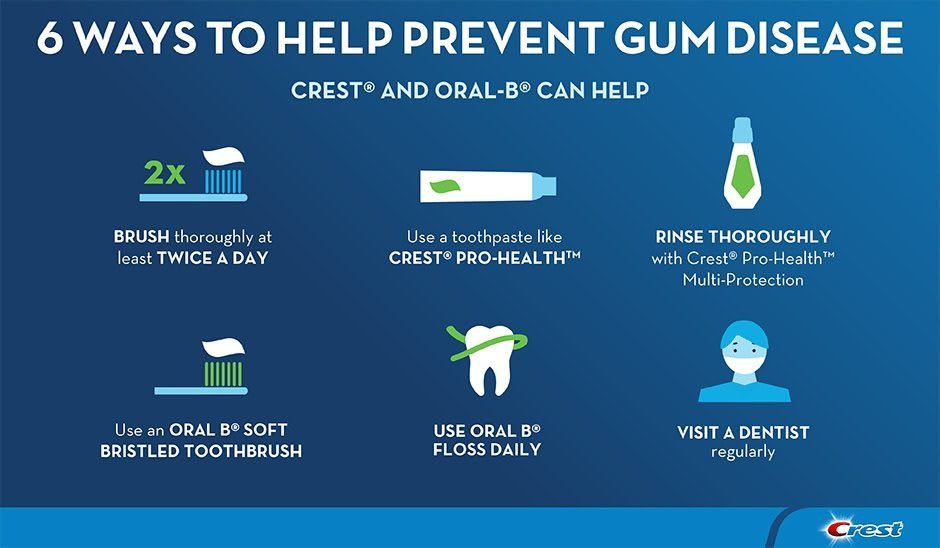
- Brush your teeth twice a day for at least two minutes each time, using a soft-bristled toothbrush and fluoride toothpaste.
- Floss daily to remove plaque and food particles from between your teeth and along the gum line.
- Use an antiseptic mouthwash as directed by your dentist to further reduce bacteria.
- Schedule regular dental checkups and cleanings for professional plaque removal and early detection of any gum problems.
By combining professional dental care with these natural approaches, you can effectively treat gingivitis and enjoy healthy, vibrant gums for years to come. Remember to consult your dentist or periodontist before starting any new treatment, particularly if you have existing health conditions.

No comments:
Post a Comment
Note: Only a member of this blog may post a comment.