
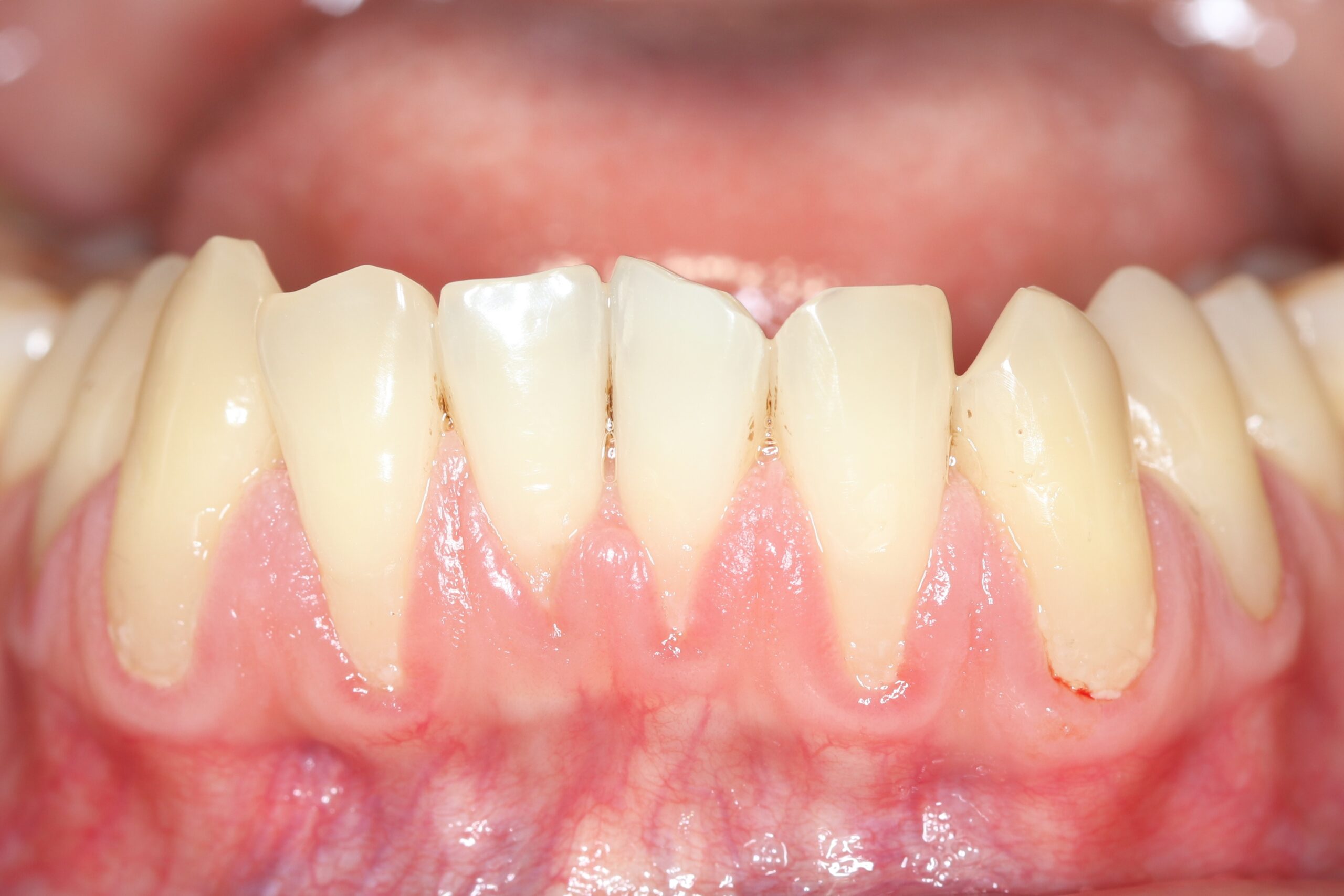
The Role of Purple Carrots in Promoting Healthy Teeth and Gums
While the vibrant orange carrot is a well-established dietary champion for eye health and overall well-being, its lesser-known purple cousin is emerging as a potential powerhouse for oral health. This article delves into the scientific basis for understanding the role of purple carrots in promoting healthy teeth and gums, exploring their unique phytochemical composition and potential benefits for oral hygiene.
The Distinctive Phytochemical Profile of Purple Carrots
The distinct purple hue of these carrots is attributable to a rich concentration of anthocyanins, a class of flavonoid pigments also responsible for the coloration of blueberries, blackberries, and red cabbage. These anthocyanins are not merely pigments; they are bioactive compounds with a multitude of potential health benefits, including those pertaining to oral health. Unlike their orange counterparts, which primarily contain carotenoids like beta-carotene, purple carrots offer a synergistic blend of both carotenoids and anthocyanins, potentially leading to a more comprehensive approach to oral health maintenance.
Anthocyanins: A Deeper Dive into Their Properties
Anthocyanins are potent antioxidants, demonstrating remarkable free radical scavenging capabilities. Free radicals are unstable molecules that can damage cells, including those in the mouth, leading to inflammation and contributing to the development of periodontal diseases. The antioxidant properties of anthocyanins in purple carrots may help neutralize these harmful free radicals, thereby mitigating the risk of gum disease and other oral health problems. Furthermore, studies suggest that anthocyanins possess anti-inflammatory properties, potentially reducing inflammation associated with gingivitis and periodontitis. This anti-inflammatory action is crucial in maintaining healthy gums and preventing the progression of gum disease.
Carotenoids: Synergistic Effects with Anthocyanins
While anthocyanins take center stage in the purple carrot's oral health benefits, the presence of carotenoids adds another layer of protection. Carotenoids, such as beta-carotene, are known for their provitamin A activity, meaning they can be converted into vitamin A in the body. Vitamin A is essential for maintaining the integrity of oral mucous membranes, promoting healthy tissue regeneration, and bolstering the immune system. A strong immune response is crucial in fighting off oral infections and maintaining overall oral health. The synergistic action of both anthocyanins and carotenoids in purple carrots potentially enhances their combined effects on oral health.
Mechanisms of Action: How Purple Carrots Benefit Oral Health
The benefits of purple carrots for oral health are multifaceted and stem from the interaction of their bioactive compounds with various aspects of oral physiology. Several key mechanisms contribute to their positive impact:
Antioxidant and Anti-inflammatory Effects
As previously mentioned, the high concentration of anthocyanins exhibits significant antioxidant and anti-inflammatory properties. These properties directly combat the oxidative stress and inflammation associated with periodontal diseases, reducing the risk of gum disease progression and promoting gum health.
Enhanced Immune Response
The presence of both anthocyanins and carotenoids supports a robust immune response. A stronger immune system is better equipped to fight off bacteria and other pathogens that can cause infections in the mouth, contributing to the prevention of caries (cavities) and gum disease.
Improved Oral Microbiome Balance
Emerging research suggests that anthocyanins may modulate the oral microbiome, shifting the balance towards a healthier composition of bacteria. A balanced microbiome is crucial for maintaining oral health, preventing the overgrowth of harmful bacteria that can contribute to dental caries and gum disease. Further research is needed to fully elucidate this mechanism, but the potential for beneficial microbiome modulation is significant.
Supporting Evidence and Research Gaps
While the anecdotal evidence and the established benefits of individual components (anthocyanins and carotenoids) strongly suggest a positive role for purple carrots in promoting oral health, dedicated research specifically focusing on the impact of purple carrot consumption on oral health is still relatively limited. Most studies have focused on the individual effects of anthocyanins or the broader benefits of a diet rich in fruits and vegetables. Further, well-designed clinical trials are needed to quantify the precise effects of purple carrot consumption on various oral health parameters, including gingivitis, periodontitis, and caries prevalence.
Current research focuses primarily on the in vitro and in vivo effects of isolated anthocyanins on oral bacteria and inflammatory markers. While these studies provide valuable insights, translating these findings to the overall impact of consuming purple carrots requires more comprehensive research that accounts for the complex interaction of various bioactive compounds and dietary factors.
Future Research Directions
Future research should address several key areas:
- Conducting randomized controlled trials to assess the effect of purple carrot consumption on various oral health indicators in human populations.
- Investigating the optimal dosage and consumption frequency of purple carrots for maximizing oral health benefits.
- Exploring the synergistic effects of purple carrots with other dietary components and oral hygiene practices.
- Analyzing the specific impact of purple carrot consumption on the oral microbiome composition and function.
Conclusion: A Promising Addition to Oral Health Strategies
While conclusive evidence directly linking purple carrot consumption to significant improvements in oral health is still emerging, the compelling scientific rationale based on their unique phytochemical profile strongly suggests a potential beneficial role. The abundant anthocyanins and carotenoids offer a potent combination of antioxidant, anti-inflammatory, and immune-boosting properties. As research continues to shed light on the specific mechanisms and optimal utilization of purple carrots for oral health, they stand as a promising addition to a comprehensive oral health strategy, complementing good oral hygiene practices and a balanced diet.
Incorporating purple carrots into a healthy diet, alongside regular dental checkups and diligent oral hygiene, may contribute to a brighter, healthier smile and overall improved oral well-being. Further research is needed to fully realize the potential of this vibrant root vegetable in promoting and maintaining optimal oral health.
No comments:
Post a Comment
Note: Only a member of this blog may post a comment.