
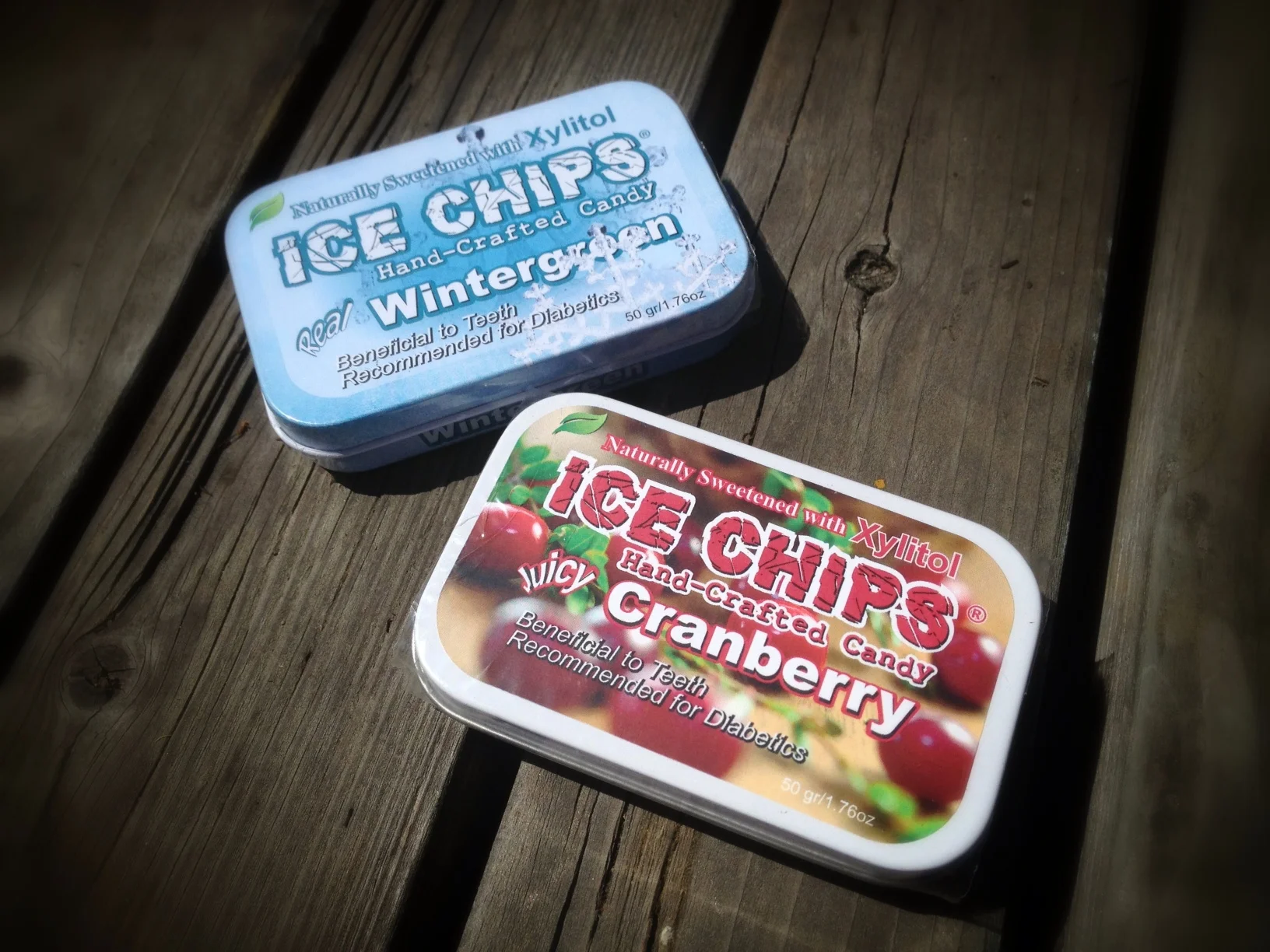
Xylitol and Probiotics for Healthier Teeth and Gums: A Synergistic Approach to Oral Health
Maintaining optimal oral health is crucial for overall well-being. Dental caries (cavities) and periodontal disease (gum disease) remain significant public health concerns, impacting millions worldwide. While traditional methods like brushing, flossing, and regular dental check-ups are essential, emerging research highlights the potential of novel approaches, including the use of xylitol and probiotics, to enhance oral hygiene and prevent oral diseases. This article explores the mechanisms by which these two agents contribute to healthier teeth and gums, and examines the evidence supporting their efficacy when used individually and synergistically.
Xylitol: A Sugar Alcohol with Anti-Caries Properties
Xylitol is a naturally occurring sugar alcohol found in small amounts in various fruits and vegetables. Unlike sucrose (table sugar), xylitol is not readily metabolized by the cariogenic bacteria responsible for dental caries. This unique characteristic forms the foundation of its anti-caries effect.
Mechanism of Action
The primary mechanism through which xylitol inhibits caries formation involves its impact on Streptococcus mutans (S. mutans), the primary bacterial species implicated in dental plaque formation and acid production. Xylitol:
- Inhibits bacterial adhesion: Xylitol interferes with the ability of S. mutans to adhere to the tooth surface, preventing the formation of biofilm and plaque.
- Reduces acid production: By inhibiting the metabolism of carbohydrates, xylitol limits the production of lactic acid, a major contributor to enamel demineralization and caries development.
- Stimulates saliva production: Xylitol has been shown to stimulate salivary flow, which helps neutralize acids, remineralize enamel, and cleanse the oral cavity.
- Increases the pH of plaque: The reduced acid production and increased salivary flow contribute to a rise in the pH of dental plaque, creating an environment less conducive to bacterial growth and acid production.
These combined effects make xylitol a powerful tool in preventing caries development and promoting remineralization of early carious lesions.
Clinical Evidence
Numerous clinical studies have demonstrated the effectiveness of xylitol in reducing the incidence of dental caries. Studies using various xylitol delivery methods, including chewing gums, lozenges, and mouthwashes, have consistently shown a significant reduction in caries rates compared to control groups. The effectiveness of xylitol is often dose-dependent, with higher doses generally associated with greater caries-inhibiting effects. However, it’s important to note that individual responses may vary.
Probiotics: Promoting a Healthy Oral Microbiome
The oral cavity harbors a complex and dynamic microbiome, a community of diverse microorganisms including bacteria, fungi, and viruses. A balanced microbiome is essential for maintaining oral health. An imbalance, or dysbiosis, can contribute to various oral diseases. Probiotics, defined as live microorganisms that confer a health benefit on the host when administered in adequate amounts, offer a promising approach to modulate the oral microbiome and improve oral health.
Mechanism of Action
The mechanisms by which probiotics exert their beneficial effects in the oral cavity are multifaceted:
- Competitive exclusion: Probiotic bacteria compete with pathogenic bacteria for adhesion sites on the tooth surface and for nutrients, thereby limiting the growth and colonization of cariogenic and periodontal pathogens.
- Production of antimicrobial substances: Some probiotic strains produce antimicrobial substances, such as bacteriocins, that inhibit the growth of harmful bacteria.
- Immunomodulation: Probiotics can modulate the host immune response, enhancing the body's ability to defend against oral pathogens. This can involve stimulating the production of antibodies and other immune factors.
- Enhancement of the host defense system: Certain probiotics can improve the functioning of the salivary glands, increasing the production of saliva and contributing to a more protective oral environment.
The specific mechanisms and effects of different probiotic strains vary considerably, highlighting the need for strain-specific research.
Clinical Evidence
While research on the use of probiotics for oral health is still ongoing, a growing body of evidence supports their potential benefits. Studies have demonstrated that certain probiotic strains can reduce S. mutans levels in saliva and plaque, improve gingival health parameters (such as bleeding on probing and plaque index), and reduce halitosis (bad breath). However, the efficacy of probiotic interventions can be influenced by factors such as the specific probiotic strain used, the dosage, the duration of treatment, and the individual's oral health status. Further research is needed to establish standardized protocols and optimize the use of probiotics for oral health.
The Synergistic Potential of Xylitol and Probiotics
The combined use of xylitol and probiotics may offer a synergistic approach to enhancing oral health. Xylitol can create a more favorable environment for the colonization and proliferation of beneficial probiotic bacteria, while probiotics can further contribute to inhibiting the growth of cariogenic bacteria and promoting a balanced oral microbiome. This combined approach may lead to more significant improvements in oral health compared to using either agent alone.
Potential Synergistic Effects
The synergistic effects might include:
- Enhanced reduction of S. mutans: The combined use of xylitol and probiotics may lead to a more significant reduction in S. mutans levels compared to using either agent alone.
- Improved remineralization: Xylitol's stimulation of saliva production, combined with the improved oral environment created by probiotics, may enhance enamel remineralization.
- Increased stability of the oral microbiome: Probiotics may help maintain a balanced oral microbiome even after cessation of xylitol use, contributing to long-term oral health benefits.
However, more research is needed to fully understand the synergistic interactions between xylitol and probiotics and to determine the optimal combinations and delivery methods for achieving the best clinical outcomes. Controlled clinical trials are crucial to evaluate the efficacy and safety of this combined approach.
Conclusion
Xylitol and probiotics represent promising avenues for improving oral health. Xylitol's ability to inhibit cariogenic bacteria and stimulate saliva production, combined with the potential of probiotics to modulate the oral microbiome and enhance host defenses, suggest that a synergistic approach may offer significant advantages in preventing and managing oral diseases. While further research is needed to optimize the use of these agents, the existing evidence strongly supports their inclusion as valuable adjuncts to traditional oral hygiene practices. Integrating xylitol and probiotic interventions into comprehensive oral health strategies may contribute to a significant improvement in the oral health of individuals and populations worldwide.

No comments:
Post a Comment
Note: Only a member of this blog may post a comment.