
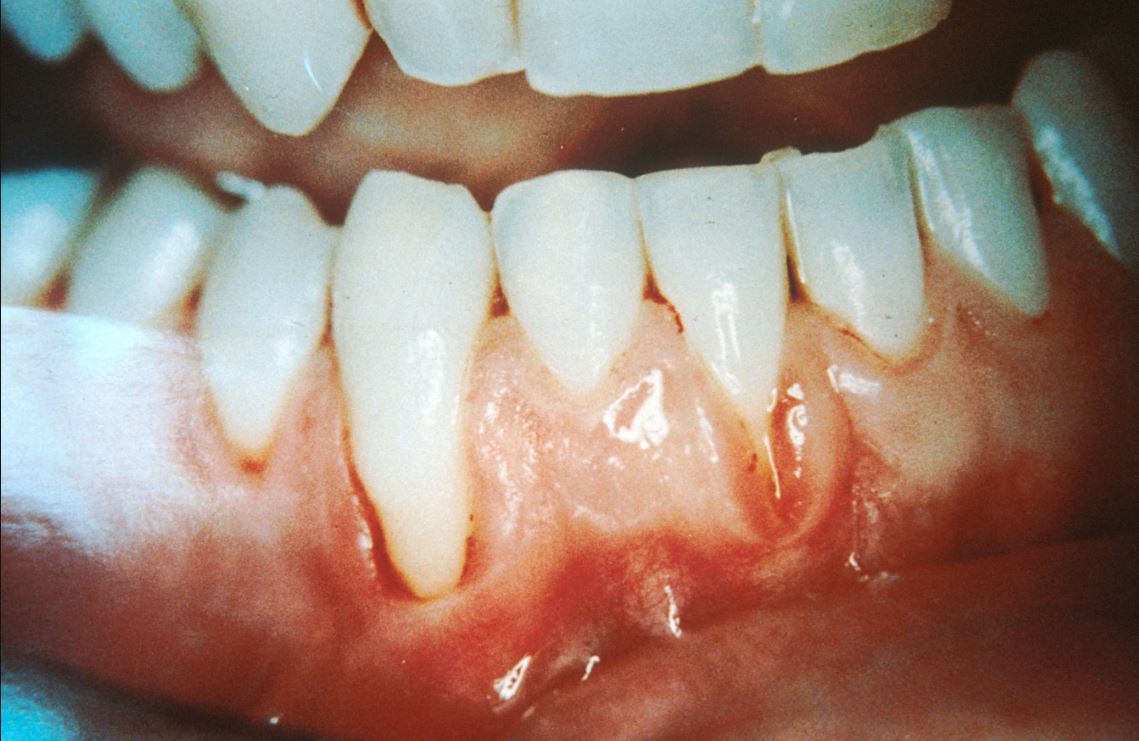
White Gums: What They Indicate and How to Tackle Them
Hey everyone! Let's talk about something that can be a little embarrassing, but super important for your oral health: white gums. Seeing white patches or spots on your gums can be alarming, and rightfully so. It's not always a cause for immediate panic, but it *definitely* warrants a visit to your dentist. This article will break down what those white spots might mean and what you can do about them.Understanding the Different Types of White Gums
Before we jump into solutions, it’s crucial to understand that "white gums" isn't a single diagnosis. Several conditions can cause white patches or discoloration, each with its own causes and treatments. Let's explore some of the most common culprits:Leukoplakia
Leukoplakia is a condition where thick, white patches form on the gums, inner cheeks, or tongue. While often harmless, it's important to get it checked by a dentist because in rare cases, it can be precancerous. The exact cause of leukoplakia isn't fully understood, but risk factors include smoking, chewing tobacco, and excessive alcohol consumption. If you notice these white patches, don't delay a dental visit!
Lichen Planus
Lichen planus is an inflammatory condition that can affect the skin and mucous membranes, including the gums. It often appears as lacy, white patches or streaks on the gums, sometimes accompanied by soreness and burning. While not cancerous, it can be uncomfortable and persistent. Treatment usually involves managing the symptoms with corticosteroids or other medications prescribed by your dentist or doctor.
Candidiasis (Thrush)
This fungal infection, often caused by an overgrowth of *Candida albicans*, can manifest as creamy white patches on the gums, tongue, and inner cheeks. It's more common in babies, people with weakened immune systems, and those taking antibiotics. Thrush can be quite uncomfortable, causing burning and soreness. Your dentist can prescribe antifungal medication to clear up the infection.
White Spots from Injury or Irritation
Sometimes, white spots on your gums are simply the result of a minor injury or irritation. Brushing too hard, accidentally biting your gum, or even a poorly fitting dental appliance can cause a localized area of inflammation that appears white. These usually heal on their own within a few days or weeks. However, if the area doesn't improve or becomes increasingly painful, see your dentist.
Medication Side Effects
Certain medications can cause changes in the mouth's appearance, including white patches on the gums. These side effects are usually temporary and resolve once the medication is discontinued. However, it's always a good idea to let your doctor and dentist know about any new medications you're taking, especially if you notice changes in your oral health.
When to See a Dentist (Seriously!)
While some white spots on your gums might be minor and temporary, it's crucial to seek professional dental care if you notice:
- White patches that don't go away after a week or two.
- White patches accompanied by pain, bleeding, or swelling.
- Changes in the size or appearance of existing white patches.
- Difficulty chewing or swallowing.
- Persistent burning or soreness in your mouth.
Early detection and diagnosis are crucial, especially when dealing with conditions like leukoplakia, which, while often benign, needs monitoring to rule out any potential precancerous changes. Don't hesitate to schedule an appointment! It's always better to be safe than sorry.
What You Can Do at Home (But Remember, This Isn't a Replacement for Professional Care)
While home remedies can't cure underlying conditions, maintaining good oral hygiene can significantly contribute to your overall gum health and potentially help with some minor irritations.
- Gentle brushing and flossing: Use a soft-bristled toothbrush and floss gently to avoid further irritating your gums. Avoid aggressive brushing!
- Saltwater rinse: A warm saltwater rinse can help soothe irritated gums and reduce inflammation. Mix a half-teaspoon of salt in 8 ounces of warm water and rinse several times a day.
- Avoid irritating substances: Steer clear of tobacco products, excessive alcohol consumption, and anything that might further irritate your gums, such as overly acidic foods or drinks.
- Stay hydrated: Drinking plenty of water helps maintain the natural moisture balance in your mouth, which is important for healthy gums.
Remember that these home remedies are primarily for temporary relief and comfort. They don't address the underlying cause of the white patches. Always consult your dentist for diagnosis and treatment.
Long-Term Prevention
Preventing problems is always better than treating them! Here's how you can maintain healthy gums and reduce the risk of developing white patches:
- Maintain excellent oral hygiene: Brush twice a day with fluoride toothpaste and floss daily. Regular professional cleanings are also essential.
- Eat a healthy diet: A balanced diet rich in fruits, vegetables, and whole grains supports overall health, including oral health.
- Limit alcohol and tobacco consumption: These are major risk factors for many oral health problems, including leukoplakia.
- Regular dental checkups: Schedule regular checkups and cleanings with your dentist to catch problems early.
- Manage stress: Stress can exacerbate many health conditions, and oral health is no exception.
Commonly Asked Questions
Q: Are white gums always a sign of something serious?
A: No, not necessarily. Many things can cause white patches on the gums, some minor and temporary, others more serious. It's crucial to have them checked by a dentist to determine the cause.
Q: How long does it take for white spots on gums to heal?
A: This depends entirely on the cause. Minor irritations might heal within a week or two, while conditions like lichen planus or candidiasis may require more extended treatment.
Q: Can I treat white gums at home?
A: You can try some home remedies for temporary relief (like a saltwater rinse), but home treatments alone won't address the underlying cause. Always consult a dentist for diagnosis and appropriate treatment.
Q: Are white gums contagious?
A: Some conditions that cause white gums, like candidiasis (thrush), can be contagious, especially for individuals with compromised immune systems. Others, such as leukoplakia and lichen planus, are not contagious.
Q: My child has white spots on their gums. Should I be worried?
A: White spots on a child's gums can be caused by various things, including thrush. It's always best to consult a pediatrician or dentist to get a proper diagnosis and appropriate treatment.
Remember, this information is for general knowledge and does not substitute professional medical advice. If you have any concerns about white spots on your gums, please schedule an appointment with your dentist as soon as possible. Taking care of your oral health is a vital part of your overall well-being!


No comments:
Post a Comment
Note: Only a member of this blog may post a comment.